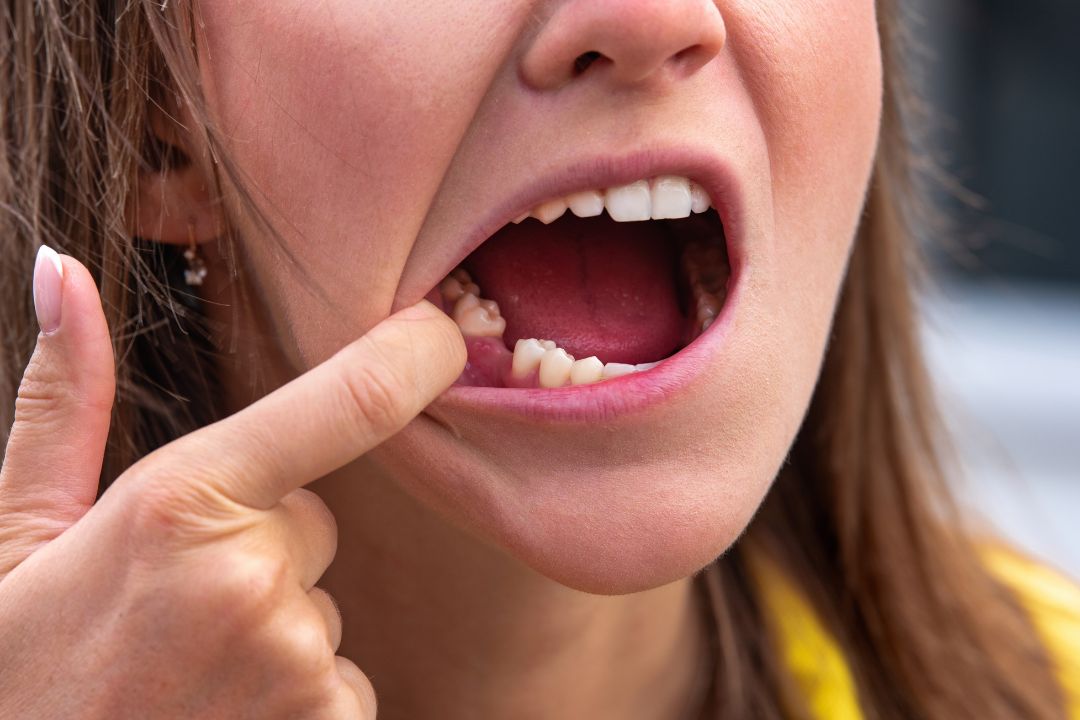
Tooth resorption is a condition that might sound unfamiliar to many but can have significant implications for dental health. If you or someone you know has been diagnosed with tooth resorption, it’s natural to feel a bit overwhelmed and wonder, “What to do if tooth resorption occurs?” This article will break down the basics of tooth resorption, including its causes, signs to watch out for, and the steps you can take to manage it. Whether you’re dealing with tooth resorption yourself or just want to be prepared, let’s dive into this dental issue and explore the options available for prevention and treatment.
Understanding Tooth Resorption
Tooth resorption is a process in which the body starts breaking down and absorbing the structures of a tooth. While it’s completely natural for baby teeth to resorb, making way for permanent teeth, resorption in adult teeth can be problematic and sometimes alarming. When resorption affects permanent teeth, it can result in pain, tooth instability, and even tooth loss if left untreated.
Types of Tooth Resorption
- External Resorption
This occurs on the outer surfaces of the tooth, often affecting the root. External resorption can be caused by trauma, orthodontic treatments, or gum inflammation and is typically more noticeable than internal resorption. - Internal Resorption
Internal resorption affects the inner part of the tooth and can gradually destroy the tooth from the inside out. This type is less common and often more challenging to detect without a dental X-ray.
Common Causes of Tooth Resorption
Understanding the potential causes of tooth resorption can help you take proactive steps in managing or preventing it. Here are some of the factors that may contribute to the development of this condition:
- Trauma or Injury: Physical trauma to the teeth, such as a fall or sports injury, can sometimes lead to resorption, especially if the tooth’s root or surrounding tissues are affected.
- Orthodontic Treatment: Some orthodontic treatments exert pressure on the teeth, which, while necessary for alignment, can sometimes trigger resorption over time.
- Chronic Inflammation: Conditions that lead to inflammation, such as gum disease, may contribute to an increased risk of resorption.
- Tooth Grinding (Bruxism): Grinding or clenching your teeth places stress on them, which can increase the likelihood of resorption.
- Genetic Predisposition: Some people may be genetically more prone to resorption, making regular dental check-ups essential.
Symptoms to Look Out For
One of the challenges of tooth resorption is that it can be asymptomatic, especially in the early stages. However, there are signs to watch for that could indicate the presence of this condition:
- Unexplained Toothache: Persistent or recurring tooth pain, especially if it’s not linked to decay, could be a sign of resorption.
- Tooth Discoloration: If part of the tooth appears darker or pinkish, this could be a warning sign, especially for internal resorption.
- Swelling or Inflammation: Swelling in the gums or jaw area near the affected tooth might indicate resorption.
- Loose Teeth: As resorption progresses, the tooth structure weakens, and the tooth may feel loose.
- Sensitivity to Pressure: Increased sensitivity when biting down may suggest damage or weakening from resorption.
If you’re noticing any of these symptoms, it’s essential to schedule an appointment with your dentist to evaluate and diagnose the issue.
What to Do if Tooth Resorption Occurs
If you suspect or have been diagnosed with tooth resorption, understanding your treatment options and next steps is crucial. For a thorough exploration of Tooth Resorption, click here to learn more.
Let’s explore what to do if tooth resorption occurs to ensure you make informed choices about your oral health.
1. Get a Professional Diagnosis
The first step in addressing tooth resorption is to get a thorough diagnosis from a dental professional. Dentists use X-rays and sometimes 3D imaging to identify and measure the extent of resorption. A proper diagnosis will clarify the type of resorption you’re dealing with and guide the treatment plan.
2. Discuss Treatment Options
The treatment options for tooth resorption depend on its type, location, and severity. Here are some of the possible approaches:
- Root Canal Therapy: For cases of internal resorption, a root canal can remove the affected tissue inside the tooth and stop further resorption.
- Tooth Extraction: In advanced cases where the resorption has significantly weakened the tooth, extraction might be necessary. Once removed, options like implants or bridges can help restore function.
- Surgical Intervention: In some cases, surgery may be needed to remove the resorbed area or repair the affected tooth.
- Medication: Anti-inflammatory medications or antibiotics might be prescribed to address any underlying infection or inflammation.
3. Consider Preventive Care
Preventing further resorption or protecting other teeth from resorption is essential. Incorporate the following habits into your routine to minimize risks:
- Wear a Mouthguard: If you grind your teeth, a mouthguard can help protect against stress-related resorption.
- Regular Dental Checkups: Routine dental visits allow early detection and intervention for resorption, potentially saving your teeth from severe damage.
- Good Oral Hygiene: Daily brushing, flossing, and rinsing with an antiseptic mouthwash can help prevent the inflammation and infection that sometimes lead to resorption.
Can Tooth Resorption Be Stopped?
A common question among patients is whether tooth resorption can be stopped or reversed. Unfortunately, once resorption starts, it typically can’t be reversed. However, early intervention can halt or slow the process, which is why prompt diagnosis and treatment are so important. The key is identifying resorption early enough to take action before too much damage occurs.
The Role of Your Dentist in Managing Tooth Resorption
If you’re wondering what to do if tooth resorption occurs, know that working closely with your dentist is essential. Here’s how they can help:
- Early Detection: Dentists can spot early signs of resorption through routine checkups and imaging.
- Customized Treatment: Every case of resorption is unique, so a customized treatment plan can provide the best chance of preserving your tooth.
- Post-Treatment Monitoring: After treatment, regular check-ups ensure that resorption has not reappeared and helps catch any other potential issues early on.
Lifestyle Changes to Support Dental Health
While you can’t control all factors related to tooth resorption, adopting a healthy lifestyle can support overall dental health and reduce the risk of future resorption.
- Stay Hydrated: Saliva helps keep bacteria in check, so staying hydrated can prevent oral bacteria from flourishing.
- Avoid Tobacco Products: Smoking and other tobacco use can increase inflammation and harm your oral health, raising the risk of dental issues.
- Limit Sugary and Acidic Foods: Sugar and acids can erode enamel and irritate gums, contributing to inflammation.
Frequently Asked Questions (FAQs)
Can tooth resorption go away on its own?
No, tooth resorption typically requires professional treatment to prevent further damage. Without intervention, resorption can progress and eventually lead to tooth loss.
Is tooth resorption common?
Tooth resorption is relatively uncommon in adult teeth but can occur due to factors like trauma, inflammation, or even orthodontic treatments.
Can you save a tooth affected by resorption?
In some cases, yes. If detected early, treatments like root canals or surgical repairs may preserve the tooth. In more advanced cases, extraction may be necessary.
Conclusion
Tooth resorption may not be a common topic, but it’s one that can have a lasting impact on dental health. By understanding what to do if tooth resorption occurs, you’re better equipped to handle it, from seeking prompt treatment to taking preventive steps. Early diagnosis and proactive care can make a significant difference in managing tooth resorption, helping you maintain your smile and oral health. If you’re experiencing any signs of resorption or simply want to ensure your teeth are in the best possible shape, don’t hesitate to reach out to your dentist for advice and support.
 Frame The World