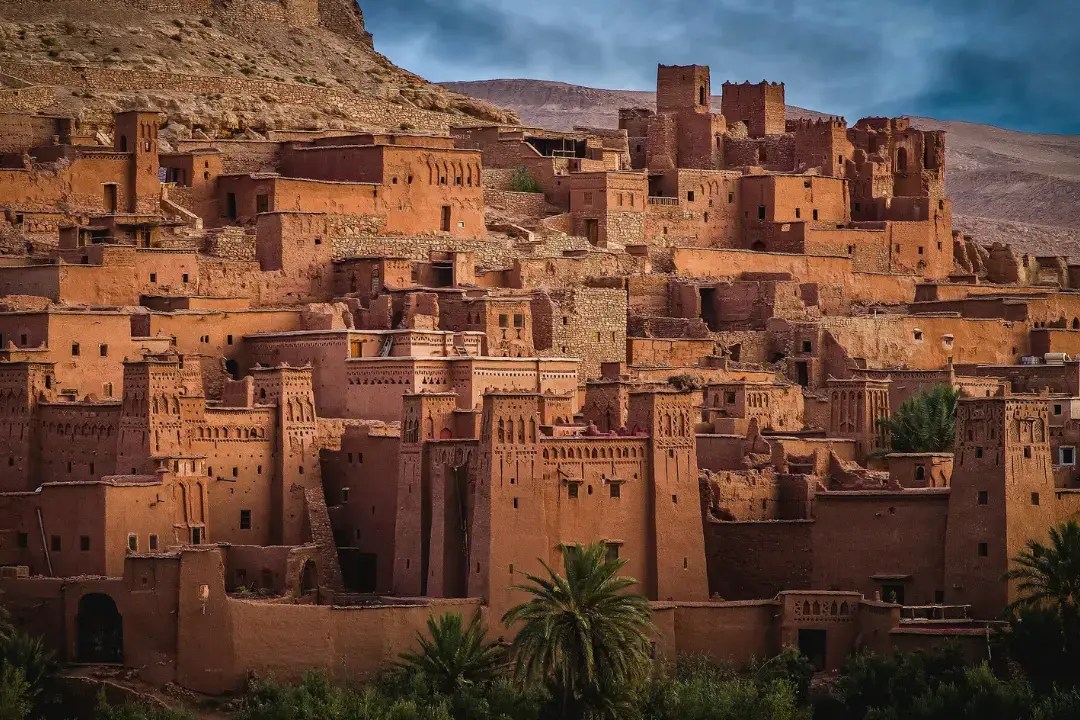
Morocco’s imperial cities Marrakech, Fes, Meknes, and Rabat offer a vibrant tapestry of history, culture, and architecture. Each of these cities served as a capital at different times in Morocco’s history, leaving behind a rich legacy of royal palaces, bustling medinas, and grand mosques. Exploring these cities is like stepping into a living museum, where ancient traditions blend seamlessly with modern life.
In this guide, we’ll uncover the best ways to explore Morocco’s imperial cities, from must-visit landmarks to immersive cultural experiences.
1. Start with Marrakech: The Red City
Discover the Medina
Marrakech’s medina is a UNESCO World Heritage Site and the heart of the city’s vibrant culture. Wander through its labyrinthine alleys to discover:
- Jemaa el-Fnaa: The city’s iconic square, teeming with snake charmers, storytellers, and food vendors.
- Souks: Traditional markets offering everything from spices and textiles to jewelry and ceramics.
Taking a guided tour is an excellent way to navigate the bustling medina while learning about its history and significance.
Visit Historical Landmarks
Marrakech is home to stunning examples of Islamic architecture and historical landmarks, such as:
- Koutoubia Mosque: Known for its towering minaret, this 12th-century mosque is a symbol of Marrakech.
- Bahia Palace: A masterpiece of Moroccan architecture, featuring intricate tilework, lush gardens, and grand courtyards.
- Saadian Tombs: The final resting place of members of the Saadian dynasty, hidden for centuries and rediscovered in 1917.
2. Immerse Yourself in Fes: The Spiritual Capital
Explore Fes el-Bali
Fes el-Bali, the city’s medieval medina, is the oldest and most authentic of Morocco’s imperial cities. As you wander through its narrow streets, be sure to visit:
- Al-Qarawiyyin University: Founded in 859 AD, it is recognized as the world’s oldest continuously operating educational institution.
- Chouara Tannery: Witness traditional leather-making methods and enjoy panoramic views of colorful dyeing vats.
Hiring a knowledgeable guide is highly recommended, as Fes el-Bali’s maze-like streets can be challenging to navigate.
Discover Artisan Crafts
Fes is renowned for its artisans, who create exquisite pottery, brassware, and zellij (mosaic tilework). Visit workshops and cooperatives to see these crafts in action and purchase unique souvenirs.
3. Experience Meknes: The Quiet Imperial City
Visit the Historical Sites
Though smaller and less crowded than Marrakech and Fes, Meknes boasts impressive historical sites, including:
- Bab Mansour: A grand gateway adorned with intricate zellij and carved marble.
- El Hedim Square: A lively plaza surrounded by cafes and shops, reminiscent of Marrakech’s Jemaa el-Fnaa.
- Royal Stables: These massive stables once housed the sultan’s 12,000 horses and are a testament to Meknes’ imperial grandeur.
Explore Volubilis
Located just outside Meknes, the ancient Roman ruins of Volubilis are a must-see. This UNESCO World Heritage Site features well-preserved mosaics, basilicas, and triumphal arches that showcase Morocco’s diverse historical influences.
4. Discover Rabat: The Modern Capital with Imperial Roots
Explore the Historic Landmarks
Rabat combines modernity with its imperial past. Key sites to visit include:
- Hassan Tower: An incomplete 12th-century minaret that stands as a symbol of Rabat’s historical significance.
- Mausoleum of Mohammed V: A stunning example of Moroccan architecture and the resting place of the country’s late king.
- Kasbah of the Udayas: A picturesque fortress overlooking the Atlantic Ocean, featuring narrow blue-and-white streets and Andalusian gardens.
Enjoy the Modern Side of Rabat
Rabat’s contemporary side offers a more relaxed atmosphere compared to other imperial cities. Stroll along the Corniche, visit the Mohammed VI Museum of Modern and Contemporary Art, or enjoy a meal at one of the city’s many chic restaurants.
5. Tips for Exploring Morocco’s Imperial Cities
Plan Your Transportation
Traveling between imperial cities is easy with Morocco’s well-connected train network. ONCF trains are known for their reliability and comfort, making them an ideal choice for visitors wanting to explore the diverse landscapes and cultural heritage of the country. Whether you’re venturing from Marrakech to Fes or taking a scenic journey to Rabat, the train offers a stress-free way to experience Morocco’s charm.
When planning your trip, understanding the best time to visit Morocco can significantly enhance your travel experience. Morocco’s climate varies across its regions, from the Mediterranean coastline to the arid Sahara. Spring (March to May) and autumn (September to November) are particularly popular seasons to visit, as the weather is mild and pleasant, ideal for outdoor exploration and sightseeing. To make the most of your trip, consider researching the best time to explore specific attractions, such as the vibrant souks of Marrakech or the stunning Atlas Mountains.
For travelers seeking more flexibility, hiring a private driver or renting a car can be excellent options. This approach allows you to uncover hidden gems, such as remote Berber villages or lesser-known desert oases, at your own pace. Regardless of your mode of transportation, Morocco’s rich history, vibrant culture, and breathtaking landscapes promise an unforgettable adventure.
Respect Local Customs
Morocco is a predominantly Muslim country, and it’s important to respect local customs and traditions. Dress modestly, especially when visiting religious sites, and always ask for permission before taking photos of people.
Embrace Guided Tours
While self-exploration is rewarding, guided tours provide valuable insights into the history and culture of Morocco’s imperial cities. Many guides are multilingual and can tailor the experience to your interests.
Conclusion
Morocco’s imperial cities offer a captivating journey through the country’s rich history and culture. From the bustling medinas of Marrakech and Fes to the tranquil charm of Meknes and Rabat, each city has its unique allure.
By planning your trip thoughtfully and embracing local experiences, you’ll uncover the true essence of these imperial gems. Whether it’s savoring traditional Moroccan cuisine, marveling at architectural wonders, or getting lost in ancient streets, exploring Morocco’s imperial cities is an adventure you’ll cherish forever.
 Frame The World