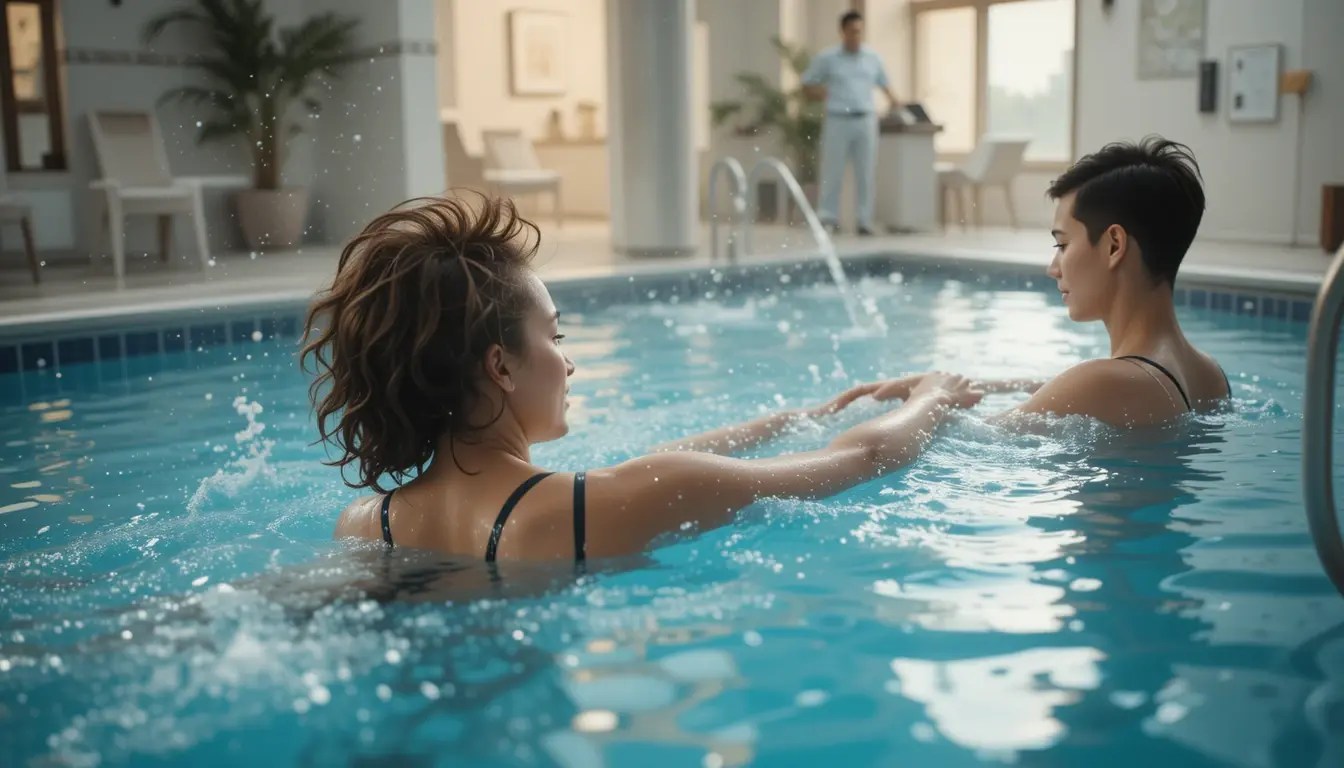
Hydrotherapy uses water to help with rehabilitation and pain relief. It is an effective method for people recovering from injuries, surgeries, or chronic conditions. The properties of water, such as buoyancy, resistance, and temperature, support the body during movement.
Physical therapists use hydrotherapy to help patients improve mobility, reduce pain, and build strength. Many rehabilitation centers include hydrotherapy in their treatment plans. This approach benefits people of all ages and fitness levels.
Understanding Hydrotherapy
What Is Hydrotherapy?
Hydrotherapy involves performing exercises in water to improve movement and reduce discomfort. The water may be warm or cool, depending on the treatment goal. Patients can stand, float, or move against the resistance of the water.
This method reduces strain on joints and muscles while allowing controlled movement. It helps people recover from injuries and manage chronic conditions. Physical therapists design specific exercises based on a patient’s needs.
How Water Supports Physical Therapy
Water provides natural resistance, which helps build strength without causing stress on joints. It also improves circulation and reduces swelling. The buoyancy of water reduces body weight, making movement easier.
People with arthritis, back pain, or muscle weakness benefit from hydrotherapy. The support of water allows them to exercise with less pain and effort. This makes hydrotherapy a safe and effective rehabilitation option.
Key Benefits of Hydrotherapy in Physical Therapy
Pain Reduction
Water therapy helps reduce pain by relieving pressure on the joints and muscles. Warm water relaxes tense muscles and improves blood flow. This helps decrease stiffness and discomfort.
People with chronic pain conditions, such as fibromyalgia or arthritis, often find relief through hydrotherapy. The gentle movements in water allow them to stay active without worsening their pain.
Improved Mobility and Flexibility
Hydrotherapy supports gentle stretching and movement. The resistance of water helps improve flexibility and muscle function. Patients can perform a wider range of motion exercises than they could on land.
People recovering from surgery or injuries benefit from hydrotherapy because it allows them to move with less risk of further injury. Over time, regular water-based exercises increase mobility and overall physical function.
Enhanced Strength and Endurance
Water resistance challenges muscles without straining them. This helps build strength gradually. Hydrotherapy also improves endurance by encouraging continuous movement in a low-impact environment.
Patients recovering from surgeries or dealing with muscle weakness benefit from these exercises. Over time, their strength and stamina improve, making daily activities easier.
Common Conditions Treated with Hydrotherapy
Arthritis and Joint Disorders
Arthritis causes joint pain and stiffness. Water therapy reduces joint pressure and makes movement easier. The warmth of the water also helps soothe pain.
People with conditions such as rheumatoid arthritis or osteoarthritis benefit from hydrotherapy. It allows them to maintain mobility and manage pain without excessive strain.
Post-Surgery Rehabilitation
After surgery, patients often struggle with pain and limited movement. Hydrotherapy helps them regain strength without putting stress on healing tissues.
Surgeries such as knee replacements, spinal procedures, or rotator cuff repairs require careful rehabilitation. Water therapy helps patients regain function safely and comfortably.
Sports Injuries
Athletes recovering from injuries need rehabilitation to regain strength and prevent further damage. Hydrotherapy provides controlled resistance, allowing for safe recovery.
Sprains, fractures, and muscle tears heal better with water therapy. The reduced weight-bearing environment prevents re-injury while promoting healing.
Hydrotherapy Techniques in Physical Therapy
Aquatic Exercises
Physical therapists design specific exercises for patients based on their needs. Common movements include walking, leg lifts, and arm circles. These exercises improve strength and flexibility.
Resistance bands, water dumbbells, and floatation devices add variety to workouts. Patients follow guided programs to ensure safe and effective progress.
Water Temperature Therapy
Warm water helps relax muscles and improve circulation. It is useful for people with chronic pain or muscle tightness.
Cold water therapy reduces inflammation and numbs pain. It benefits people recovering from acute injuries, such as sprains or swelling.
Hydrostatic Pressure Benefits
Water exerts gentle pressure on the body, improving blood flow and reducing swelling. This helps patients with circulation problems or fluid retention.
People with conditions such as lymphedema or venous insufficiency benefit from this natural compression. It supports healing and reduces discomfort.
Who Can Benefit from Hydrotherapy?
Elderly Patients
Older adults often experience joint pain, arthritis, and balance issues. Hydrotherapy provides a safe way to stay active without straining the body.
Water exercises improve strength and coordination, reducing the risk of falls. Seniors who engage in regular hydrotherapy maintain better mobility and overall health.
People with Chronic Pain
Conditions like fibromyalgia, lower back pain, and nerve disorders make physical activity difficult. Hydrotherapy allows movement without worsening symptoms.
Warm water soothes pain, while water resistance helps maintain muscle strength. Regular hydrotherapy sessions improve daily function and quality of life.
Patients Recovering from Accidents
Car accidents, work injuries, or falls can cause lasting pain and movement limitations. Hydrotherapy helps restore strength and flexibility after such incidents.
Therapists design recovery programs that focus on gradual progress. Water therapy provides a controlled environment for safe rehabilitation.
How to Start Hydrotherapy Treatment
Finding a Hydrotherapy Program
Many physical therapy centers and rehabilitation clinics offer hydrotherapy as part of their treatment programs. This water-based therapy is beneficial for individuals recovering from injuries, managing chronic pain, or improving mobility. Hospitals and wellness centers often have specialized pools designed for therapeutic use, allowing patients to perform low-impact exercises that reduce strain on joints and muscles. The buoyancy of water supports the body, making movements easier and enhancing overall rehabilitation outcomes.
For a personalized and effective approach to recovery, physical therapy by Mocean PT provides expert-guided hydrotherapy sessions tailored to individual needs. Before beginning hydrotherapy, patients should consult a licensed physical therapist who can assess their condition and develop a customized treatment plan. A well-structured program ensures that exercises are both safe and effective, promoting faster healing, increased strength, and improved flexibility. With the right professional guidance, hydrotherapy can be a powerful tool in achieving long-term physical wellness.
What to Expect During a Hydrotherapy Session
A typical session lasts between 30 to 60 minutes. Patients perform guided exercises in warm or cool water. The therapist monitors progress and adjusts movements as needed.
Some sessions include specialized equipment, such as floatation devices or resistance tools. The goal is to improve mobility, strength, and pain management over time.
Conclusion
Hydrotherapy is an effective method for improving physical therapy outcomes. It reduces pain, increases mobility, and strengthens muscles without putting stress on joints.
People recovering from surgery, dealing with chronic pain, or managing joint disorders benefit from hydrotherapy. Physical therapists use water-based exercises to help patients heal safely and regain function.
Finding a qualified therapist ensures the best results. Hydrotherapy is a valuable tool in rehabilitation, promoting long-term health and well-being.
 Frame The World