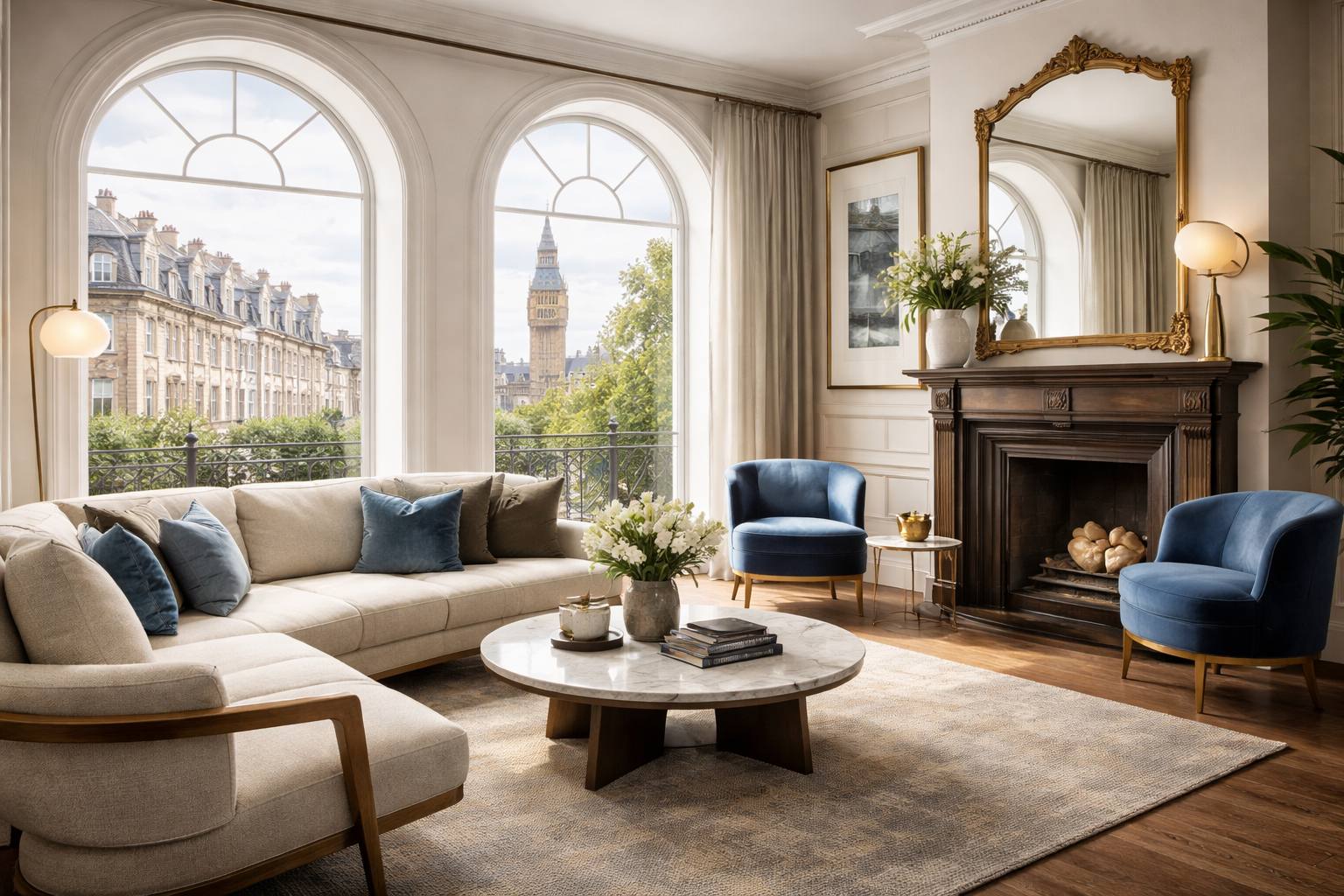
London homes show a mix of history and new ideas. Many houses have old features like fireplaces, cornices, and wooden floors. At the same time, people want clean layouts, simple furniture, and modern comfort. This guide explains how to combine modern and traditional design in London homes. The aim is to keep the charm of traditional design while adding modern style that fits daily life.
Understanding London Homes and Traditional Design
London homes often come from past eras. These include Victorian, Georgian, and Edwardian houses. Each type has its own structure and style. Many homes have high ceilings, large windows, and detailed mouldings. These features define traditional design.
Traditional design uses classic materials and patterns. Wood, stone, and fabric play a key role. Colours often stay warm and neutral. Furniture shows curves and detail. Rooms follow a clear layout with defined spaces.
You should respect these features when you plan changes. Do not remove key elements that show the home’s history. Instead, use them as a base for your design.
Why Blend Modern and Traditional Design
Blending styles gives balance, and this approach sits at the core of thoughtful interior planning by Molecule Designs Ltd, where both function and character are carefully considered. Traditional design adds character and depth, while modern design introduces simplicity and function. When these elements come together, they create a home that feels both warm and fresh.
Modern design improves daily living through open layouts, smart storage, and clean lines that make spaces easier to use. At the same time, traditional design keeps the home rooted in its history, preserving charm and identity. This balanced combination works particularly well in London homes, where homeowners often seek comfort, practicality, and a strong connection to architectural heritage.
Start with a Clear Plan
You should start with a plan. Decide which areas will stay traditional and which areas will include modern design. This step helps avoid confusion.
Choose one main style for each room. For example, keep a living room mostly traditional and add small modern touches. In contrast, design a kitchen with a modern base and add traditional accents.
A clear plan helps keep balance. It also helps control cost and time.
Keep Original Features in London Homes
Original features give value to London homes. These include fireplaces, ceiling roses, sash windows, and wooden floors. You should keep and restore these features when possible.
Clean and repair old wood. Repaint mouldings in soft colours. Use simple finishes to keep the look fresh. These steps allow traditional design to stay strong while you add modern elements around it.
Do not hide these features. Let them stand out as part of the design.
Use a Neutral Colour Palette
Colour plays a key role in blending styles. A neutral palette works well in London homes. Shades like white, beige, grey, and soft green create a calm base.
Neutral colours allow both modern and traditional design to work together. They also help highlight key features like fireplaces or artwork.
You can add contrast with darker tones. Use black or deep blue in small areas. This step adds depth without making the space feel heavy.
Mix Modern and Traditional Furniture
Furniture defines the look of a room. You can mix modern and traditional pieces to create balance.
Place a modern sofa in a room with traditional walls. Add a classic wooden table with modern chairs. This mix creates interest and avoids a flat look.
Keep the scale of furniture in mind. Large items can suit high ceilings in London homes. Choose pieces that match the size of the room.
Avoid too many styles in one space. Stick to a few key pieces that work well together.
Focus on Lighting
Lighting affects both style and mood. Use a mix of modern and traditional lighting.
Install a classic chandelier in a living room. Add modern floor lamps for task lighting. Use wall lights to highlight features like artwork or fireplaces.
Warm light works best in London homes. It supports the cosy feel of traditional design. At the same time, simple light fixtures add a modern touch.
Update the Kitchen with Care
The kitchen often shows the strongest mix of styles. Many London homes now use open-plan kitchens.
Choose modern cabinets with clean lines. Use simple handles or no handles at all. Add traditional elements like a wooden island or classic tiles.
Stone worktops fit both styles. They look simple but also feel timeless. Open shelves can display traditional items like plates or jars.
Keep the layout simple. Focus on function and easy movement.
Blend Bathroom Design
Bathrooms offer another chance to mix styles. Use modern fixtures for comfort. Add traditional details for charm.
Install a freestanding bath for a classic look. Pair it with modern taps and fittings. Use simple tiles with a soft pattern.
Keep colours light. White and grey work well. Add small details like mirrors with frames to support traditional design.
Use Textures and Materials
Materials help connect modern and traditional design. Wood, metal, glass, and fabric all play a role.
Use wood for floors or furniture. It adds warmth and links to traditional design. Add metal in light fixtures or handles for a modern feel.
Glass works well in modern spaces. It keeps rooms open and bright. Fabric adds comfort through curtains, rugs, and cushions.
Mix these materials with care. Keep a clear balance so the space does not feel crowded.
Add Art and Decor
Art and decor give personality to London homes. Choose items that reflect both styles.
Hang classic paintings or prints on simple walls. Use modern frames for a clean look. Add small decor pieces like vases or books.
Avoid too many items. Keep the space simple and clear. Each item should have a purpose.
Plants also help. They add life and colour. Use simple pots for a modern touch.
Maintain Balance in Each Room
Balance is key when you blend styles. Each room should feel calm and clear.
Do not let one style take over. Mix elements in a way that feels natural. For example, if the walls are traditional, use modern furniture. If the furniture is classic, keep the decor simple.
Step back and review the space. Remove items that do not fit the overall look.
Adapt Layout for Modern Living
Many London homes have small or divided rooms. Modern design often prefers open spaces.
You can adjust the layout to improve flow. Remove non-structural walls if possible. Create open areas for living, dining, and cooking.
At the same time, keep some defined spaces. Traditional design often uses separate rooms. A mix of open and closed spaces works best.
Use Smart Storage Solutions
Storage helps keep the home tidy. Modern design focuses on hidden storage.
Use built-in shelves or cabinets. Choose simple designs that match the room. Keep clutter out of sight.
In traditional areas, use classic cabinets or sideboards. This approach keeps the style consistent while improving function.
Consider Flooring Choices
Flooring affects the look of London homes. Many houses have original wooden floors. You should restore them if possible.
Add rugs to define spaces. Choose simple patterns that fit both styles. Rugs also add warmth and comfort.
In kitchens or bathrooms, use tiles. Pick neutral colours or classic patterns. This choice keeps the design clear and balanced.
Final Thoughts
Blending modern and traditional design in London homes requires careful planning. You should respect original features and use them as a base. Add modern elements to improve comfort and function.
Keep colours simple. Mix furniture with care. Use light, materials, and decor to connect both styles. Each room should feel balanced and clear.
This approach helps you create a home that reflects both history and modern life.

