What to do if Tooth Resorption Occurs

Tooth resorption is a condition that might sound unfamiliar to many but can have significant implications for dental health. If you or someone you know has been diagnosed with tooth resorption, it’s natural to feel a bit overwhelmed and wonder, “What to do if tooth resorption occurs?” This article will break down the basics of tooth resorption, including its causes, signs to watch out for, and the steps you can take to manage it. Whether you’re dealing with tooth resorption yourself or just want to be prepared, let’s dive into this dental issue and explore the options available for prevention and treatment.

Understanding Tooth Resorption

Tooth resorption is a process in which the body starts breaking down and absorbing the structures of a tooth. While it’s completely natural for baby teeth to resorb, making way for permanent teeth, resorption in adult teeth can be problematic and sometimes alarming. When resorption affects permanent teeth, it can result in pain, tooth instability, and even tooth loss if left untreated.

Types of Tooth Resorption

  1. External Resorption
    This occurs on the outer surfaces of the tooth, often affecting the root. External resorption can be caused by trauma, orthodontic treatments, or gum inflammation and is typically more noticeable than internal resorption.
  2. Internal Resorption
    Internal resorption affects the inner part of the tooth and can gradually destroy the tooth from the inside out. This type is less common and often more challenging to detect without a dental X-ray.

Common Causes of Tooth Resorption

Understanding the potential causes of tooth resorption can help you take proactive steps in managing or preventing it. Here are some of the factors that may contribute to the development of this condition:

  • Trauma or Injury: Physical trauma to the teeth, such as a fall or sports injury, can sometimes lead to resorption, especially if the tooth’s root or surrounding tissues are affected.
  • Orthodontic Treatment: Some orthodontic treatments exert pressure on the teeth, which, while necessary for alignment, can sometimes trigger resorption over time.
  • Chronic Inflammation: Conditions that lead to inflammation, such as gum disease, may contribute to an increased risk of resorption.
  • Tooth Grinding (Bruxism): Grinding or clenching your teeth places stress on them, which can increase the likelihood of resorption.
  • Genetic Predisposition: Some people may be genetically more prone to resorption, making regular dental check-ups essential.

Symptoms to Look Out For

One of the challenges of tooth resorption is that it can be asymptomatic, especially in the early stages. However, there are signs to watch for that could indicate the presence of this condition:

  • Unexplained Toothache: Persistent or recurring tooth pain, especially if it’s not linked to decay, could be a sign of resorption.
  • Tooth Discoloration: If part of the tooth appears darker or pinkish, this could be a warning sign, especially for internal resorption.
  • Swelling or Inflammation: Swelling in the gums or jaw area near the affected tooth might indicate resorption.
  • Loose Teeth: As resorption progresses, the tooth structure weakens, and the tooth may feel loose.
  • Sensitivity to Pressure: Increased sensitivity when biting down may suggest damage or weakening from resorption.

If you’re noticing any of these symptoms, it’s essential to schedule an appointment with your dentist to evaluate and diagnose the issue.

What to Do if Tooth Resorption Occurs

If you suspect or have been diagnosed with tooth resorption, understanding your treatment options and next steps is crucial. For a thorough exploration of Tooth Resorption, click here to learn more.

Let’s explore what to do if tooth resorption occurs to ensure you make informed choices about your oral health.

1. Get a Professional Diagnosis

The first step in addressing tooth resorption is to get a thorough diagnosis from a dental professional. Dentists use X-rays and sometimes 3D imaging to identify and measure the extent of resorption. A proper diagnosis will clarify the type of resorption you’re dealing with and guide the treatment plan.

2. Discuss Treatment Options

The treatment options for tooth resorption depend on its type, location, and severity. Here are some of the possible approaches:

  • Root Canal Therapy: For cases of internal resorption, a root canal can remove the affected tissue inside the tooth and stop further resorption.
  • Tooth Extraction: In advanced cases where the resorption has significantly weakened the tooth, extraction might be necessary. Once removed, options like implants or bridges can help restore function.
  • Surgical Intervention: In some cases, surgery may be needed to remove the resorbed area or repair the affected tooth.
  • Medication: Anti-inflammatory medications or antibiotics might be prescribed to address any underlying infection or inflammation.

3. Consider Preventive Care

Preventing further resorption or protecting other teeth from resorption is essential. Incorporate the following habits into your routine to minimize risks:

  • Wear a Mouthguard: If you grind your teeth, a mouthguard can help protect against stress-related resorption.
  • Regular Dental Checkups: Routine dental visits allow early detection and intervention for resorption, potentially saving your teeth from severe damage.
  • Good Oral Hygiene: Daily brushing, flossing, and rinsing with an antiseptic mouthwash can help prevent the inflammation and infection that sometimes lead to resorption.

Can Tooth Resorption Be Stopped?

A common question among patients is whether tooth resorption can be stopped or reversed. Unfortunately, once resorption starts, it typically can’t be reversed. However, early intervention can halt or slow the process, which is why prompt diagnosis and treatment are so important. The key is identifying resorption early enough to take action before too much damage occurs.

The Role of Your Dentist in Managing Tooth Resorption

If you’re wondering what to do if tooth resorption occurs, know that working closely with your dentist is essential. Here’s how they can help:

  • Early Detection: Dentists can spot early signs of resorption through routine checkups and imaging.
  • Customized Treatment: Every case of resorption is unique, so a customized treatment plan can provide the best chance of preserving your tooth.
  • Post-Treatment Monitoring: After treatment, regular check-ups ensure that resorption has not reappeared and helps catch any other potential issues early on.

Lifestyle Changes to Support Dental Health

While you can’t control all factors related to tooth resorption, adopting a healthy lifestyle can support overall dental health and reduce the risk of future resorption.

  • Stay Hydrated: Saliva helps keep bacteria in check, so staying hydrated can prevent oral bacteria from flourishing.
  • Avoid Tobacco Products: Smoking and other tobacco use can increase inflammation and harm your oral health, raising the risk of dental issues.
  • Limit Sugary and Acidic Foods: Sugar and acids can erode enamel and irritate gums, contributing to inflammation.

Frequently Asked Questions (FAQs)

Can tooth resorption go away on its own?

No, tooth resorption typically requires professional treatment to prevent further damage. Without intervention, resorption can progress and eventually lead to tooth loss.

Is tooth resorption common?

Tooth resorption is relatively uncommon in adult teeth but can occur due to factors like trauma, inflammation, or even orthodontic treatments.

Can you save a tooth affected by resorption?

In some cases, yes. If detected early, treatments like root canals or surgical repairs may preserve the tooth. In more advanced cases, extraction may be necessary.


Conclusion

Tooth resorption may not be a common topic, but it’s one that can have a lasting impact on dental health. By understanding what to do if tooth resorption occurs, you’re better equipped to handle it, from seeking prompt treatment to taking preventive steps. Early diagnosis and proactive care can make a significant difference in managing tooth resorption, helping you maintain your smile and oral health. If you’re experiencing any signs of resorption or simply want to ensure your teeth are in the best possible shape, don’t hesitate to reach out to your dentist for advice and support.

How to Organize a Fun-Filled Party with Inflatable Games

Planning a party is always exciting, but if you want to add an extra level of fun, inflatable games are the way to go. Whether you’re hosting a birthday party, corporate event, or backyard gathering, inflatable games can bring joy and laughter to guests of all ages. This guide will show you how to organize a fun-filled party with inflatable games, ensuring that your event is a hit.

Why Choose Inflatable Games for Your Party?

They Cater to All Ages

Inflatable games are versatile and appeal to everyone, from young kids to adults. Whether it’s a bouncy castle for the little ones or an inflatable obstacle course for competitive adults, there’s something for everyone.

Easy to Set Up and Take Down

One of the biggest advantages of inflatable games by Outdoor Celebrations is that they are quick and easy to set up and remove. Rental companies typically handle everything, so you don’t have to worry about logistics.

Creates a Memorable Experience

Nothing beats the excitement of jumping into a bouncy house or racing through an inflatable obstacle course. These activities bring out the playful side in everyone, making your event unforgettable.

How to Organize a Fun-Filled Party with Inflatable Games

1. Choose the Right Inflatable Games

When learning how to organize a fun-filled party with inflatable games, the first step is picking the right ones for your guests. The key is to choose games that match the age group and energy level of your attendees.

Popular Inflatable Game Options:

  • Bouncy Castles: Perfect for younger kids who love to jump and play.
  • Inflatable Slides: Great for all ages, especially if you want to add a water feature.
  • Obstacle Courses: Ideal for competitive spirits and those who love a challenge.
  • Interactive Sports Inflatables: Like soccer or basketball-themed inflatables for sports lovers.

2. Find a Reputable Rental Company

The success of your inflatable game party largely depends on finding a reliable rental company. Do your research, read reviews, and ensure they are licensed and insured.

Tips for Choosing a Rental Company:

  • Check Their Safety Protocols: Make sure the company has safety guidelines for setting up and managing the inflatables.
  • Confirm Delivery and Setup: Ensure that the company handles delivery, setup, and takedown so you can focus on hosting.
  • Ask About Cleaning Procedures: Ensure the inflatables are cleaned and sanitized after each use for the health and safety of your guests.

3. Consider the Space Available

Before you book your inflatables, assess the space you have. Measure your yard, park, or event venue to determine what games will fit comfortably. Remember, inflatables need extra room for safe setup and anchoring.

Things to Consider:

  • Outdoor vs. Indoor: Outdoor spaces are ideal for larger inflatables, but some can fit indoors if you have high ceilings.
  • Flat Ground: Inflatables require level ground to function properly. Uneven terrain can cause safety hazards.
  • Access to Electricity: Many inflatables require a blower powered by electricity, so ensure you have access to outlets or generators.

4. Plan for Safety

Safety should always be a priority when organizing a party with inflatable games. Setting clear guidelines and having adult supervision can prevent accidents and ensure everyone has fun.

Safety Tips:

  • Set Age Limits: Some inflatables are not suitable for small children or older teens. Make sure you enforce age-appropriate rules.
  • Supervision is Key: Always have a responsible adult or staff member monitor the inflatables to prevent overcrowding and unsafe behavior.
  • Weather Considerations: Windy or rainy weather can make inflatables dangerous. If the forecast looks bad, have a backup plan in place.

5. Create a Party Schedule

Having a structured plan for your inflatable game party helps the event run smoothly and ensures everyone gets a chance to enjoy the activities. Create a schedule that includes time for games, food, and other entertainment.

Example Schedule:

  • 2:00 PM – Guests Arrive and Free Play on Inflatables
  • 3:00 PM – Organized Games/Competitions
  • 4:00 PM – Snack or Meal Break
  • 4:30 PM – Free Play Resumes
  • 5:30 PM – Closing and Takedown

6. Add Themed Décor and Entertainment

While inflatable games are the star of the show, adding themed décor or additional entertainment can elevate your party to the next level. Consider matching the inflatables with a theme, like a pirate adventure or carnival, to create an immersive experience.

Additional Ideas:

  • Photo Booths: Create a fun photo area where guests can take pictures with themed props.
  • Face Painting: Hire a face painter to keep kids entertained when they’re not on the inflatables.
  • Themed Food: Serve snacks and drinks that match your party’s theme for an extra touch of fun.

7. Plan for Food and Drinks

Since your guests will be burning off energy on the inflatables, make sure you have plenty of food and drinks available. You don’t have to go overboard—simple, crowd-pleasing options will do the trick.

Easy Food Ideas:

  • Finger Foods: Mini sandwiches, pizza slices, and fruit cups are easy to eat and enjoy between games.
  • Hydration Stations: Set up a station with water, juice, and sports drinks to keep everyone hydrated.
  • Sweet Treats: Consider cupcakes, cookies, or a candy bar for a sweet ending to the party.

Conclusion

Now that you know how to organize a fun-filled party with inflatable games, you’re ready to plan an event that your guests will rave about for years to come. By selecting the right games, focusing on safety, and adding thoughtful touches like themed décor and delicious food, you can create an unforgettable experience for guests of all ages. Whether it’s a child’s birthday party or a corporate picnic, inflatable games will bring laughter, excitement, and fun to any celebration!

Why Choose Fiberglass Batt Insulation for Your Home

When it comes to home insulation, choosing the right material is key to maintaining comfort and energy efficiency. One of the most popular options among homeowners and contractors alike is fiberglass batt insulation. But why choose fiberglass batt insulation for your home? This type of insulation offers several benefits, including affordability, ease of installation, and reliable thermal performance. In this article, we’ll explore everything you need to know about fiberglass batt insulation, how it works, and why it might be the best choice for your home.

What Is Fiberglass Batt Insulation?

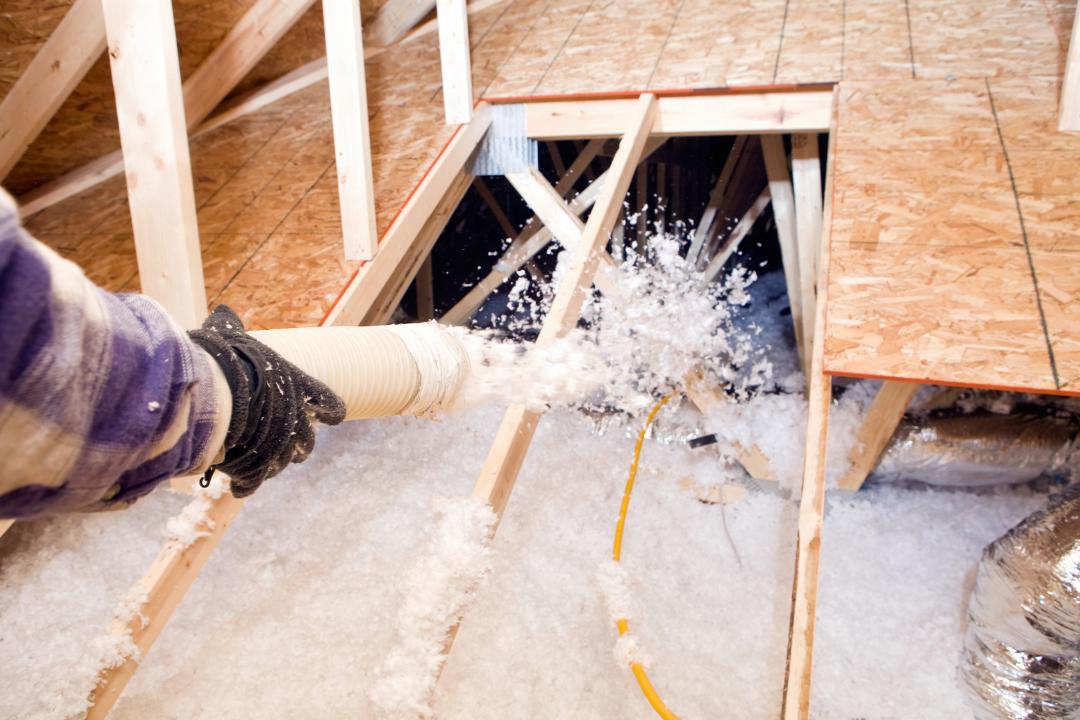
Fiberglass batt insulation is made from fine glass fibers that are woven together to form thick, fluffy panels. These panels, or “batts,” are pre-cut to fit snugly between wall studs, ceiling joists, and floor beams. Fiberglass is widely recognized for its ability to trap air, which makes it an effective barrier against heat transfer. It is commonly used in both residential and commercial buildings to provide thermal resistance and improve energy efficiency.

How Does Fiberglass Batt Insulation Work?

The key to fiberglass batt insulation’s effectiveness lies in its structure. The fine glass fibers create tiny air pockets that slow down the movement of heat. This process, known as thermal resistance, helps to keep warm air inside during the winter and outside during the summer. By reducing the amount of heat that escapes from your home, fiberglass batt insulation helps lower your energy bills and maintain a comfortable indoor temperature.

Why Choose Fiberglass Batt Insulation for Your Home?

Now that we have a basic understanding of what fiberglass batt insulation is, let’s dive into the reasons why it’s such a popular choice for homeowners.

1. Affordability

One of the most significant advantages of fiberglass batt insulation is its cost-effectiveness. Compared to other types of insulation, such as spray foam or rigid foam boards, fiberglass is generally more affordable. This makes it an excellent choice for homeowners who are looking to insulate their homes without breaking the bank. The cost of fiberglass insulation materials is lower, and since it’s easy to install, labor costs are also reduced. For those looking for a comprehensive solution, batt insulation by Epic Spray Foam provides a high-quality, cost-effective alternative for energy-efficient home insulation.

2. Easy Installation

Fiberglass batt insulation is one of the easiest types of insulation to install, making it a go-to option for DIY enthusiasts and contractors alike. The batts come in pre-cut sizes that fit standard wall and ceiling cavities, so installation often requires minimal cutting and measuring. Additionally, fiberglass batts are relatively lightweight and flexible, making them easy to handle and position.

3. Energy Efficiency

If energy savings are a priority, fiberglass batt insulation is a smart choice. It has a good R-value, which measures an insulation material’s resistance to heat flow. Higher R-values indicate better thermal performance, and fiberglass batts typically have R-values ranging from R-2.2 to R-4.3 per inch of thickness. While not the highest R-value on the market, fiberglass insulation provides reliable energy efficiency when installed correctly.

4. Fire Resistance

Another key reason to choose fiberglass batt insulation is its fire-resistant properties. Fiberglass is made from non-combustible materials, which means it will not catch fire or contribute to the spread of flames in the event of a house fire. This can give homeowners peace of mind, knowing their insulation adds an extra layer of safety to their home.

5. Soundproofing Capabilities

Fiberglass batt insulation is not just effective for temperature control; it also helps to reduce noise. The dense glass fibers absorb sound waves, making it an excellent option for soundproofing rooms. Whether you want to insulate walls between bedrooms or reduce the noise from outside traffic, fiberglass insulation can provide the added benefit of sound dampening.

6. Environmental Impact

Many homeowners are also concerned with the environmental impact of the products they use. Fiberglass batt insulation is often made with recycled materials, which reduces the environmental footprint of its production. Additionally, since it improves energy efficiency, using fiberglass batt insulation can reduce the overall energy consumption of your home, lowering your carbon footprint.

7. Long Lifespan

Fiberglass batt insulation has a long lifespan, which means once you install it, it will continue to provide insulation for many years. Unlike some other types of insulation, fiberglass doesn’t degrade over time, making it a durable and long-lasting solution for your home. With proper installation and maintenance, fiberglass batt insulation can last for up to 50 years or more.

How to Install Fiberglass Batt Insulation

If you’ve decided that fiberglass batt insulation is the right choice for your home, the next step is understanding how to install it properly. Here are the key steps involved in installing fiberglass batt insulation:

1. Measure the Space

Before purchasing your fiberglass batt insulation, measure the areas you plan to insulate, such as walls, ceilings, or floors. Be sure to account for any obstructions like electrical outlets or pipes, as you may need to cut the batts to fit around these areas.

2. Wear Protective Gear

Fiberglass can be irritating to the skin and lungs, so it’s essential to wear the proper protective gear when handling it. This includes gloves, long sleeves, safety goggles, and a dust mask to prevent irritation and inhalation of the fine glass fibers.

3. Cut Batts to Fit

If necessary, use a utility knife to cut the fiberglass batts to the proper size. Ensure that the batts fit snugly between the studs or joists without compressing them, as compressing the insulation reduces its effectiveness.

4. Install in Walls or Ceilings

Place the batts between the studs or joists, ensuring they are flush with the surface and cover the entire cavity. Avoid gaps, as these can allow heat to escape. For walls, use a vapor barrier to prevent moisture buildup, which can lead to mold and mildew.

5. Seal Gaps

Once the insulation is in place, be sure to seal any gaps around windows, doors, or other openings using caulk or spray foam. This will further reduce heat loss and improve the energy efficiency of your home.

Types of Fiberglass Batt Insulation

There are different types of fiberglass batt insulation available, each suited for specific applications. Here’s a quick overview of the most common types:

1. Faced Fiberglass Batts

Faced batts come with a paper or foil backing, known as a facing, which acts as a vapor barrier. This type of insulation is ideal for areas like walls and ceilings where moisture control is needed. The facing also helps the insulation stay in place during installation.

2. Unfaced Fiberglass Batts

Unfaced batts have no backing and are typically used in areas where moisture control isn’t a concern, such as interior walls. These batts require a separate vapor barrier, such as plastic sheeting, if installed in a moisture-prone area.

3. High-Density Fiberglass Batts

High-density batts are designed to provide better insulation in smaller spaces. They have a higher R-value per inch compared to standard fiberglass batts, making them ideal for areas with limited space for insulation, such as attics with low clearance.

Conclusion

Fiberglass batt insulation is a versatile, cost-effective, and energy-efficient solution for homeowners looking to improve the comfort and energy performance of their homes. Whether you’re insulating walls, ceilings, or floors, fiberglass batts offer easy installation, soundproofing benefits, and long-term durability. By choosing fiberglass batt insulation for your home, you can save on energy bills, reduce noise, and create a more comfortable living environment. With proper installation and maintenance, fiberglass insulation will provide reliable performance for decades, making it an excellent investment in your home’s future.

How Porcelain Figurines Enhance Your Living Spaces

Porcelain figurines have long been admired for their delicate beauty, craftsmanship, and timeless appeal. They add a touch of elegance to any home and offer more than just decorative value. When strategically placed, these tiny works of art can elevate the aesthetic of your living spaces, bringing in a sense of history, culture, and personal expression. In this article, we will explore how porcelain figurines enhance your living spaces and provide ideas on how you can incorporate them into your home decor to create a warm, inviting atmosphere.

Decorating a home is a personal experience, as every piece you add reflects your style, taste, and personality. While larger items like furniture and artwork play significant roles, smaller decorative accents, such as porcelain figurines, are equally important in transforming a house into a home. These delicate pieces can instantly add character, charm, and even a sense of nostalgia to your living spaces. Whether you prefer classic, contemporary, or eclectic decor, porcelain figurines can fit seamlessly into any design style. Let’s dive deeper into how porcelain figurines enhance your living spaces and why they are worth considering as part of your interior decor.

The Timeless Appeal of Porcelain Figurines

Porcelain figurines have a rich history that dates back centuries. Originating in ancient China, porcelain art was initially a luxury only available to the elite. Over time, European artisans adopted the craft, making Porcelain Figurines by Camp Hollow popular across the globe. Their timeless appeal comes from their craftsmanship, fine detailing, and the stories they often represent, from historical figures to beloved animals and mythical creatures.

Why Choose Porcelain?

Porcelain is a type of ceramic made by heating materials like kaolin to high temperatures. This process gives porcelain its signature strength, translucency, and glossy finish, making it the perfect material for creating figurines. The longevity and durability of porcelain mean that these pieces can become heirlooms, passed down from generation to generation, all while maintaining their beauty and value.

How Porcelain Figurines Enhance Your Living Spaces

Add Elegance and Sophistication

Porcelain figurines are inherently elegant. Their glossy finish and intricate details catch the eye and can instantly elevate the sophistication of any room. Whether placed on a mantle, shelf, or side table, these figurines bring a level of refinement to your home decor that few other pieces can match.

Perfect for Classic Interiors

For those who love traditional decor, porcelain figurines are a perfect fit. Classic styles such as Victorian, Edwardian, or French country design often incorporate porcelain elements to add an old-world charm. Consider placing figurines of ballerinas, cherubs, or historical figures to enhance your classic interior’s regal atmosphere.

Create a Focal Point

One way porcelain figurines enhance your living spaces is by acting as focal points in a room. By choosing a figurine that contrasts with your room’s existing colors or materials, you can draw attention to a specific area. For example, a white porcelain figurine on a dark wood shelf can create a striking visual balance. Whether it’s a bold animal figure or a serene angel statue, these figurines have the ability to stand out and capture attention.

Personal Expression Through Decor

Decorating with porcelain figurines allows for personal expression. Since they come in a wide range of themes—from animals and nature to historical figures and whimsical scenes—you can choose figurines that reflect your interests, hobbies, or cultural heritage.

Themes to Match Your Style

  • Nature Lovers: If you enjoy the outdoors, figurines of birds, flowers, and animals can bring nature indoors.
  • History Buffs: Historical or classical-themed figurines, such as warriors, philosophers, or monarchs, can celebrate your love for history.
  • Fantasy and Whimsy: Love fantasy? Choose porcelain fairies, dragons, or mythical creatures to infuse a touch of magic into your living space.

Enhance Color Schemes and Textures

Porcelain figurines not only add form and shape to your decor but also complement the color palette of a room. Depending on the color and finish of the figurine, they can either blend with or contrast against your room’s color scheme.

White and Neutral Tones

White porcelain figurines, with their clean and minimalist look, work particularly well in modern or neutral-toned rooms. These pieces can help maintain a light, airy feel while adding a touch of sophistication.

Bold Colors

If your room is full of vibrant colors, a colorful porcelain figurine can enhance that energy. Look for figurines with pops of color or gold accents to add depth to your decor.

Versatile Placement Options

Another reason porcelain figurines enhance your living spaces is their versatility. These pieces come in a variety of sizes, which means you can display them almost anywhere in your home.

Living Room

In the living room, porcelain figurines can be used as mantle decorations or placed on shelves. Choose a central piece to be the highlight of the room or a series of smaller figurines to create a more curated display.

Bedroom

For a personal touch, place a porcelain figurine on your nightstand or dresser. Whether it’s a romantic couple or a peaceful angel, these figurines can add a calming and personal vibe to your bedroom.

Dining Room

Porcelain figurines can also serve as centerpieces or accent pieces on a dining table or buffet. For a formal dining room, porcelain animals or figures can set the tone for a sophisticated meal.

Decorating Tips for Incorporating Porcelain Figurines

1. Create Groupings

One of the easiest ways to decorate with porcelain figurines is to group them together. By displaying several related figurines on a shelf or side table, you create a cohesive look. For example, you can group figurines by theme (e.g., a collection of animals or flowers) or by color.

2. Use Varying Heights

To create visual interest, display figurines of varying heights. Place taller pieces in the back and smaller ones in the front, ensuring that each figurine is visible.

3. Mix and Match Styles

While porcelain figurines are often associated with traditional decor, they can also be mixed with modern or eclectic styles. Try pairing a classic porcelain figure with sleek, contemporary furniture to create a unique and unexpected contrast.

4. Change with the Seasons

Porcelain figurines can also be seasonal decor. Swap out your figurines to reflect the time of year—for example, displaying snowmen and angels in winter or floral-themed figurines in spring.

Conclusion: The Lasting Impact of Porcelain Figurines

Incorporating porcelain figurines into your home decor is a simple yet impactful way to enhance your living spaces. These timeless pieces add elegance, personality, and a sense of artistry to any room. By choosing figurines that resonate with your style and arranging them thoughtfully, you can create a home environment that feels both inviting and sophisticated. Whether you’re a fan of classic decor or prefer something more modern, how porcelain figurines enhance your living spaces comes down to the personal touch and aesthetic value they provide.

So, the next time you’re looking for a way to add charm to your home, consider the delicate beauty of porcelain figurines. You’ll be amazed at how these small works of art can make a big difference!

Why Buy a Holiday Home on the French Riviera?

The French Riviera, or the Côte d’Azur, is one of the most glamorous and sought-after regions in the world. With its beautiful Mediterranean coastline, historic charm, and world-class amenities, it’s no wonder people are drawn to buy holiday homes here. But why buy a holiday home on the French Riviera? Is it just about basking in the sun or is there more to it? Whether you’re looking for a vacation retreat, a rental investment, or simply a place to escape, the French Riviera offers an enticing package that few places can match.

In this article, we’ll dive into the top reasons why buying a holiday home on the French Riviera is a decision you won’t regret.

The Allure of the French Riviera

A Mediterranean Climate All Year Round

One of the biggest appeals of owning a holiday home on the French Riviera is the climate. With over 300 days of sunshine a year, mild winters, and warm summers, this region is the ideal spot for sun lovers. Imagine waking up in your holiday home to bright blue skies, even in the colder months. Discover the captivating beauty of the French Riviera through this comprehensive website.

  • Mild winters and warm summers: Unlike other parts of Europe, the French Riviera enjoys temperate weather all year round. Winters are rarely harsh, and summers are ideal for beach days and outdoor activities.
  • Perfect for outdoor living: Whether it’s sunbathing on the beach, exploring coastal towns, or dining alfresco, the region’s Mediterranean climate supports an active, outdoor lifestyle year-round.

Stunning Natural Beauty

The French Riviera is renowned for its breathtaking landscapes, from its pristine beaches to lush inland areas. Buying a holiday home here means you’ll have access to nature’s best—right on your doorstep.

  • Beautiful coastlines: The Côte d’Azur is famous for its sandy beaches, clear waters, and dramatic cliffs. Owning a property here means you’ll never be far from a perfect beach day.
  • Mountain views and nature reserves: The region also offers easy access to the Southern Alps, making it possible to enjoy both the sea and the mountains. There are countless hiking and nature trails, perfect for those who love to explore.

Rich Culture and Glamour

Another reason why buying a holiday home on the French Riviera is so appealing is the rich culture and high-end lifestyle. The region is home to world-class events, historical landmarks, and some of the most exclusive shopping and dining experiences in the world.

  • World-famous events: From the Cannes Film Festival to the Monaco Grand Prix, owning a home here means you’ll be in the heart of global events.
  • Luxury lifestyle: Think designer boutiques, Michelin-starred restaurants, and glamorous nightlife. The French Riviera is known for attracting the rich and famous, and it exudes sophistication and style.

Excellent Investment Potential

High Rental Demand

If you’re looking to make your holiday home an investment, the French Riviera offers fantastic rental potential. With its year-round appeal, the region attracts visitors from all over the world, ensuring that your property stays in demand.

  • Tourist hotspot: The Riviera is one of the most visited regions in France, meaning that renting out your holiday home when you’re not using it can provide a steady stream of income.
  • Luxury rental market: If your property is in a prime location, you can command premium rental rates, especially during peak seasons like the summer months and major events.

Long-Term Property Value

In addition to rental income, owning property in the French Riviera is a wise long-term investment. The region’s desirability ensures that property values remain stable, even in times of economic uncertainty.

  • High property demand: With limited land available for development, properties on the French Riviera are always in demand. This means that over time, your investment is likely to appreciate.
  • Safe investment: The French Riviera has a history of being a safe bet for property investments, with values typically increasing steadily over the years.

A Place for Every Taste and Budget

Variety of Property Options

Another great reason why buying a holiday home on the French Riviera is a smart choice is the range of properties available. Whether you’re looking for a luxury villa overlooking the sea, a charming apartment in a historic town, or a quaint cottage in the countryside, there’s something for everyone.

  • Luxury villas: For those seeking opulence, there are stunning villas complete with private pools, panoramic views, and sprawling gardens.
  • Cozy apartments: For a more budget-friendly option, the region is full of charming apartments in picturesque towns like Nice, Antibes, and Menton.
  • Quaint countryside homes: For a quieter, more laid-back lifestyle, consider properties inland, where you can enjoy the region’s natural beauty and a slower pace of life.

Accessibility to Major Cities

Despite its peaceful and idyllic vibe, the French Riviera is easily accessible. The region boasts excellent transport links, making it convenient for international travelers and weekend getaways.

  • Well-connected airports: The Nice Côte d’Azur Airport is one of the busiest in France, with regular flights to and from major cities across Europe and beyond.
  • Fast train connections: If you prefer to travel by train, the Riviera is connected by France’s high-speed TGV train network, linking it to Paris and other major cities.

A Lifestyle Like No Other

World-Class Dining and Entertainment

The food culture on the French Riviera is a blend of Mediterranean influences, making it a paradise for foodies. From fresh seafood to Provençal cuisine, there’s no shortage of culinary delights.

  • Michelin-starred restaurants: The region is home to many award-winning restaurants, where you can enjoy gourmet dining with stunning views of the sea.
  • Vibrant nightlife: Whether it’s sipping cocktails at a beach bar, dancing at a nightclub in Monaco, or enjoying live music in a cozy café, the nightlife on the French Riviera is as varied as it is exciting.

Health and Wellbeing

The Mediterranean lifestyle is often associated with better health and wellbeing, and the French Riviera is the perfect place to embrace that.

  • Outdoor activities: From swimming and sailing to hiking and cycling, there are countless ways to stay active while enjoying the beautiful surroundings.
  • Relaxation and spa culture: The Riviera is dotted with luxury spas and wellness centers, offering everything from massages to beauty treatments. It’s the ideal place to relax and rejuvenate.

Conclusion

So, why buy a holiday home on the French Riviera? Whether it’s the sun-drenched beaches, the glamorous lifestyle, or the excellent investment potential, the French Riviera has something for everyone. Owning a property here means more than just a place to escape—it’s an opportunity to enjoy a luxurious lifestyle, benefit from rental income, and make a solid long-term investment.

With its stunning natural beauty, rich cultural heritage, and endless activities, buying a holiday home on the French Riviera is an investment in both your future and your quality of life.

How to Plan a Restaurant Design & Build in Garland

Opening a restaurant in Garland, Texas is an exciting venture. With the city’s growing culinary scene, the potential for success is promising, but careful planning is essential. Whether you envision a casual café or a fine-dining experience, each step—from concept to construction—must be thought through. So, how do you plan a restaurant design and build in Garland, Texas without hitting snags along the way? In this article, we’ll explore the key phases, including budgeting, designing, obtaining permits, and more to help your dream restaurant come to life.


Why is Proper Planning Essential?

Starting a restaurant isn’t just about having a great idea or a mouth-watering menu. Design and build phases involve major decisions that impact both aesthetics and functionality. A well-planned restaurant doesn’t only attract customers—it also ensures smoother daily operations. With local trends and building regulations in mind, planning a restaurant design and build in Garland, Texas becomes more than just choosing décor; it involves logistics, finances, and compliance.


How to Plan a Restaurant Design & Build in Garland, Texas

1. Define Your Concept and Brand Identity

The first step in planning a restaurant is to clearly define the concept. What kind of cuisine will you serve? Are you aiming for a cozy family-friendly diner, a trendy coffee shop, or an upscale dining experience? Your concept and brand identity influence your restaurant’s design, interior style, menu, and even the layout.

Key Considerations

  • Target Audience: Are you targeting families, young professionals, or tourists?
  • Theme and Ambience: Will your restaurant feel rustic, modern, or chic?
  • Cuisine Type: A restaurant focusing on Tex-Mex will have a different vibe than an Italian bistro.
  • Brand Elements: Think of your logo, signage, and color palette to reflect your brand.

2. Create a Realistic Budget and Timeline

Having a detailed budget is critical to keeping your project on track. When building a restaurant in Garland, you’ll need to consider several expenses, from property acquisition to equipment and furnishings.

Expenses to Include in Your Budget

  • Construction and Renovation Costs
  • Permits and Legal Fees
  • Kitchen Equipment and Furniture
  • Utilities and Insurance
  • Interior Design and Décor

In addition, plan a realistic timeline for construction. Delays are common, so building in buffer time will help you avoid opening too late.


3. Select the Right Location in Garland, Texas

Location plays a crucial role in the success of your restaurant. Garland has a diverse mix of neighborhoods, each with different foot traffic patterns, demographics, and business opportunities.

Factors to Consider for Location Selection

  • Proximity to Competitors: Are there similar restaurants nearby?
  • Foot Traffic: Areas near shopping districts or entertainment spots tend to attract more customers.
  • Parking Availability: Easy access can make or break a restaurant’s success.
  • Zoning Regulations: Ensure that the area allows for restaurant operations.

4. Obtain Necessary Permits and Licenses

Garland, like any other city, requires specific permits before you can begin building and operating your restaurant. Knowing what’s needed will help you avoid delays and fines.

Common Permits and Licenses

  • Building Permit: For any construction or renovation work.
  • Health Permit: To ensure the restaurant meets food safety standards.
  • Liquor License: If you plan to serve alcohol.
  • Sign Permit: For outdoor signage and advertisements.
  • Certificate of Occupancy: Confirming that the building meets all safety regulations.

Each permit has its own processing time, so it’s wise to apply early to keep your project on schedule.


5. Design the Layout and Interior Spaces

The design of your restaurant isn’t just about aesthetics—it affects workflow and customer experience. A well-thought-out floor plan ensures smooth kitchen operations while creating an inviting atmosphere for guests.

Key Elements to Focus on

  • Kitchen Layout: Ensure that chefs and staff can work efficiently.
  • Dining Area: Arrange tables to optimize space without crowding customers.
  • Lighting and Décor: Create an ambiance that reflects your restaurant’s theme.
  • Restrooms and Accessibility: Make sure your restaurant is ADA-compliant and easy to navigate.
  • Outdoor Space: If you’re in an area with good weather, consider a patio or rooftop dining option.

6. Collaborate with Professionals for Design and Construction

Planning a restaurant design and build in Garland, Texas is not a DIY project. You’ll need a team of professionals, including architects, interior designers, contractors, and restaurant consultants. Additionally, sourcing your equipment from a reliable restaurant supply store in Dallas is essential to ensure quality and efficiency in your new space.

How to Choose the Right Team

  • Experience with Restaurant Projects: Look for professionals familiar with restaurant design and local codes.
  • Portfolio Review: Check their previous work to see if their style aligns with your vision.
  • Clear Communication: Ensure the team understands your concept and budget constraints.
  • Local Knowledge: Hiring contractors with experience in Garland ensures they know the permitting process and building regulations.

7. Manage the Construction Phase

Once the design is finalized, the construction phase begins. Staying on top of this process ensures everything goes according to plan, and unexpected issues are addressed promptly.

Tips for Managing Construction

  • Weekly Progress Meetings: Stay updated on timelines and resolve issues quickly.
  • Budget Monitoring: Track expenses to avoid overspending.
  • Quality Control: Ensure the materials and craftsmanship meet your expectations.
  • Plan for Inspections: Schedule inspections during key construction phases to avoid rework.

8. Source Furniture, Fixtures, and Equipment (FF&E)

Once construction is complete, it’s time to furnish your restaurant. From chairs to kitchen appliances, choosing the right FF&E is critical to functionality and aesthetics.

FF&E Essentials

  • Tables and Chairs: Ensure they’re comfortable and match the restaurant’s theme.
  • Lighting Fixtures: Choose decorative and functional lighting for ambiance and visibility.
  • Kitchen Equipment: Buy energy-efficient appliances to reduce long-term operating costs.
  • Signage and Décor: Make sure your brand identity shines through.

9. Conduct a Soft Opening Before the Grand Launch

A soft opening allows you to test the waters before the official launch. It gives your team the chance to iron out any kinks in operations, service, and kitchen processes.

Benefits of a Soft Opening

  • Identify Operational Issues: Spot and fix problems before opening to the public.
  • Gather Customer Feedback: Use insights from early customers to make improvements.
  • Train Staff: Get your team comfortable with workflows and service standards.

Conclusion

Planning a restaurant design and build in Garland, Texas requires a balance of creativity, practicality, and attention to detail. From defining your concept to managing construction and securing permits, every step is essential for turning your vision into reality. By collaborating with experienced professionals, budgeting carefully, and keeping a close eye on progress, you can ensure a smooth journey from concept to completion. With the right planning, your restaurant in Garland will not only look stunning but also operate efficiently, setting the stage for long-term success.

So, are you ready to dive into the exciting world of restaurant design and build in Garland, Texas? With thoughtful preparation and the right team, your dream restaurant is just around the corner.

How to Customize Blinds and Shades for Your Houston Home

When it comes to personalizing your home in Houston, customizing your blinds and shades can make a big difference. Whether you’re seeking privacy, light control, or an aesthetic boost, choosing the right window treatments is essential. Custom blinds and shades offer flexibility in style, material, and functionality, allowing you to create a look that’s uniquely yours while also fitting your home’s needs.

This article will guide you through how to customize blinds and shades for your Houston home, highlighting the benefits of personalization, the variety of materials and styles available, and tips for ensuring the best fit. Whether you’re redecorating or designing a new space, this guide will help you navigate the world of custom window treatments with ease.

Why Customize Blinds and Shades for Your Houston Home?

1. Houston’s Climate Considerations

Houston’s weather is hot and humid for much of the year, which makes energy efficiency a major factor when choosing window treatments. Customized blinds and shades can help keep your home cool by blocking out the sun’s harsh rays and insulating your windows. This not only makes your home more comfortable but can also reduce energy bills.

2. Personal Style and Aesthetic Appeal

Every home is different, and your window treatments should reflect your personal style. By customizing blinds and shades, you can select the perfect colors, fabrics, and finishes that complement your interior design. Whether you prefer a modern, minimalist look or something more traditional and cozy, there are endless possibilities to match your aesthetic.

3. Tailored Functionality

Not all windows are the same size or shape, especially in custom-built homes. Standard blinds and shades may not fit your windows perfectly, leaving gaps that compromise privacy and light control. Custom window treatments ensure a perfect fit, allowing you to maximize functionality and get the exact level of light control and privacy you need.

Types of Blinds and Shades to Customize

When customizing window treatments Houston TX for your home, the first step is understanding the different types of blinds and shades available. Each type has its own unique features, and the right choice depends on your style preferences and functional needs.

1. Custom Blinds

Blinds are a popular option for many homes because they offer excellent light control and privacy. Here are some of the most common types of custom blinds to consider:

a. Wood Blinds

Wood blinds bring warmth and natural beauty to any room. They are perfect for creating a classic or rustic feel and can be stained or painted to match your décor. If you love the look of wood but are worried about moisture damage, faux wood blinds are a great alternative, offering the same look with added durability.

b. Vertical Blinds

Vertical blinds are ideal for large windows and sliding doors. They provide smooth operation and can be customized in various materials, including fabric, vinyl, or wood. This makes them versatile for different spaces, from living rooms to patios.

c. Aluminum Blinds

For a more modern, industrial look, aluminum blinds are a sleek option. They are lightweight, durable, and available in a range of colors, allowing you to add a minimalist touch to your home.

2. Custom Shades

Shades are another excellent choice for customizing your window treatments. Unlike blinds, shades are made from a continuous piece of fabric, which allows for a softer and more elegant look.

a. Roman Shades

Roman shades fold neatly when raised, offering a clean and sophisticated appearance. They come in a wide range of fabrics, colors, and patterns, making them a great option for those who want to add a touch of elegance to their home.

b. Roller Shades

Roller shades are sleek and simple, perfect for modern and minimalist designs. They are highly customizable in terms of fabric opacity, allowing you to control the amount of light that enters your space. Blackout roller shades are an excellent choice for bedrooms or media rooms.

c. Cellular Shades

Cellular shades, also known as honeycomb shades, are one of the most energy-efficient options available. Their unique honeycomb design traps air, providing insulation that can help keep your home cool in the summer and warm in the winter. For Houston’s climate, this energy-saving feature can make a noticeable difference in your home’s comfort and energy costs.

d. Woven Wood Shades

For a more natural, earthy feel, woven wood shades are crafted from materials like bamboo, jute, or rattan. These shades offer a relaxed, organic vibe and work well in both modern and traditional settings.

How to Customize Blinds and Shades for a Perfect Fit

Now that you know the types of blinds and shades available, let’s get into how to ensure they fit perfectly in your Houston home. Customization goes beyond just choosing the style—you’ll also need to take accurate measurements and decide on the mounting style.

1. Measure Your Windows Accurately

Getting precise measurements is crucial for a seamless installation. Here’s how to measure depending on whether you want an inside or outside mount.

Inside Mount

  • Width: Measure across the inside of the window frame at the top, middle, and bottom. Use the narrowest measurement.
  • Height: Measure from the top of the inside frame to the windowsill. Do this on the left, center, and right sides, and use the longest measurement.

Outside Mount

  • Width: Measure the width of the area you want to cover, adding 2-3 inches on each side for better light control and privacy.
  • Height: Measure from the top of where you want to place the blinds or shades to the bottom, ensuring that they’ll cover the window completely.

2. Choose the Right Mounting Style

You’ll need to decide whether you want your custom blinds or shades to be mounted inside the window frame (inside mount) or outside the frame (outside mount). Each has its benefits:

  • Inside mount: Creates a clean, tailored look. Great for shallow windows.
  • Outside mount: Provides full coverage, making it ideal for light control and privacy, especially for bedrooms or bathrooms.

3. Select Fabrics and Materials

When customizing shades, the fabric or material you choose will impact the room’s overall feel. For Houston homes, consider lighter, breathable fabrics for shades in living spaces, while blackout materials might be better for bedrooms. Wooden blinds add warmth and richness, while fabric shades offer a softer look.

Fabric Opacity

  • Sheer fabrics: Ideal for living rooms or dining areas where natural light is welcome but you still want some privacy.
  • Blackout fabrics: Perfect for bedrooms or media rooms where blocking light is a priority.
  • Light-filtering fabrics: These are great for spaces where you want a balance between light and privacy, such as kitchens or home offices.

Designing Custom Blinds and Shades to Match Your Home’s Style

Once you have the technical details sorted, it’s time for the fun part—choosing the design elements that will make your custom blinds and shades unique.

1. Pick the Right Colors

Color is one of the most impactful design decisions when customizing blinds and shades. Neutral tones like white, beige, or grey are timeless and versatile, working well with most interior styles. If you want to make a statement, bold colors like navy, emerald, or even black can add drama and depth to a room.

2. Add Decorative Touches

For an added flair, consider customizing with decorative features like trim, valances, or even motorization. Motorized blinds and shades allow you to control them with a remote or smartphone, offering both convenience and luxury.

  • Valances and Cornices: These can hide the hardware and give your blinds or shades a polished look.
  • Cordless options: Ideal for homes with children or pets, cordless blinds and shades offer a cleaner appearance and are safer.

Conclusion

Customizing blinds and shades for your Houston home is more than just a design choice—it’s a way to improve your home’s energy efficiency, comfort, and aesthetic appeal. From selecting the perfect materials and colors to ensuring a flawless fit, custom window treatments allow you to personalize your space while also meeting your practical needs.

Whether you’re looking to enhance a single room or give your entire home a makeover, knowing how to customize blinds and shades for your Houston home ensures you’ll achieve the perfect blend of style and functionality. So, take the time to explore your options and create the window treatments that suit both your lifestyle and your personal taste.

Septic Inspections in Tulsa: Why They’re Important for Property Value

Septic inspections may not be the first thing that comes to mind when you think about property value, but they play a significant role. In places like Tulsa, where many homes rely on septic systems, regular inspections are not just a matter of routine maintenance—they’re an investment in your property’s future. Whether you’re looking to sell, buy, or simply maintain your home, understanding why septic inspections in Tulsa are so important can save you time, money, and stress down the line.

In this article, we’ll explore the key reasons why septic inspections matter for property value, what to expect during an inspection, and how to stay ahead of potential issues. By the end, you’ll see why keeping your septic system in good shape isn’t just a chore—it’s a smart financial decision.

What Is a Septic Inspection?

Before diving into why septic inspections are important for property value, it’s helpful to understand what they actually involve. A septic inspection by Clearflow Septic Pro is a thorough check of your home’s septic system, including the tank, pipes, and drain field. The inspector will examine the system to ensure that everything is functioning properly, identify any signs of wear or damage, and recommend repairs or replacements if necessary.

Types of Septic Inspections

There are generally two types of septic inspections:

  1. Visual Inspection: This is a basic check where the inspector looks for visible issues like standing water or signs of leaks.
  2. Full Inspection: A more comprehensive inspection that includes pumping the tank and checking the sludge levels to ensure the system is working efficiently.

Why Septic Inspections in Tulsa Are Important

Septic systems are common in Tulsa, especially in more rural or suburban areas that may not be connected to the city’s sewer system. If you own or are considering buying a property with a septic system, regular inspections are crucial for several reasons.

1. Protect Your Property Value

One of the primary reasons to keep up with septic inspections in Tulsa is to protect your property value. A well-maintained septic system can increase a home’s value, while a neglected one can scare off potential buyers. Homes with failing septic systems often take longer to sell, and when they do, they sell for less. An inspection will give you peace of mind that your system is in good working order or identify any issues that could be fixed before they become bigger problems.

2. Avoid Costly Repairs

Septic system repairs can be expensive. Issues like a clogged drain field or a failing tank can cost thousands of dollars to fix. However, many of these problems can be caught early through regular inspections. Catching a minor issue before it becomes a major one can save you from an unexpected financial hit.

3. Ensure Health and Safety

A failing septic system isn’t just a financial concern—it can also be a health hazard. Leaking tanks can contaminate groundwater, leading to unsafe drinking water. This is particularly important in Tulsa, where many homes rely on well water. Regular septic inspections help ensure that your system is functioning safely and won’t put your health at risk.

4. Legal Compliance

In Tulsa, there are regulations regarding septic systems, especially when it comes to selling a property. Many lenders and real estate agents require a septic inspection before a sale can be finalized. If you’re looking to sell your home, having a recent septic inspection on hand can streamline the process and avoid any legal complications.

What Happens During a Septic Inspection?

Understanding what goes on during a septic inspection can help you feel more prepared. Here’s a step-by-step breakdown of the process:

Step 1: Initial Walkthrough

The inspector will begin with a walkthrough of the property, looking for obvious signs of septic failure such as pooling water, foul odors, or unusually green grass near the drain field.

Step 2: Checking the Tank

Next, the inspector will locate the septic tank and open it up to assess the sludge and scum levels. This helps determine whether the tank needs to be pumped or if it’s functioning as it should.

Step 3: Inspecting the Drain Field

The drain field, where wastewater is filtered back into the soil, is a critical part of the system. The inspector will check for signs of saturation, which can indicate a clogged or failing drain field.

Step 4: Testing the Flow

To ensure everything is moving through the system properly, the inspector may run water through the home’s plumbing to check the flow. If the water backs up or moves slowly, this could indicate a problem within the system.

How Often Should You Get a Septic Inspection in Tulsa?

The frequency of septic inspections depends on a few factors, such as the size of your tank, the number of people in your household, and the age of your system. However, a general rule of thumb is to have your septic system inspected every 3-5 years. If you’re buying a home with a septic system, it’s a good idea to have an inspection done before you finalize the purchase, regardless of when the last one occurred.

Factors Affecting Inspection Frequency

  • Household size: Larger households produce more waste, which means the system may need to be inspected and pumped more often.
  • Age of the system: Older systems may require more frequent inspections to ensure they’re still functioning properly.
  • Previous issues: If your septic system has had problems in the past, it’s wise to schedule more regular inspections to catch potential issues early.

The Connection Between Septic Inspections and Property Sales

If you’re planning to sell your property, having a septic inspection done beforehand can be a huge advantage. Buyers are often wary of homes with septic systems, especially if there hasn’t been recent maintenance. By providing proof of a recent inspection, you can ease buyers’ concerns and potentially speed up the selling process.

Why Buyers Care About Septic Systems

Many buyers are unfamiliar with how septic systems work and may worry about potential issues. A recent septic inspection reassures them that the system is in good condition and won’t require expensive repairs right after moving in. It also shows that you’ve taken good care of the property, which can positively impact their overall impression of the home.

Conclusion

In summary, septic inspections in Tulsa are vital for maintaining property value, avoiding costly repairs, and ensuring the health and safety of your home. Whether you’re a homeowner looking to preserve your investment or a buyer considering a property with a septic system, regular inspections are an essential part of property maintenance.

By staying on top of your septic system’s health, you can protect your property’s value, avoid expensive repairs, and have peace of mind knowing your home is safe and compliant with local regulations.

So, if you haven’t had a septic inspection recently, now is the perfect time to schedule one! It’s a simple step that can have long-lasting benefits for both your wallet and your property.

How to Incorporate a Cotton Robe Into Your Casual Outfit

Cotton robes have traditionally been seen as loungewear, ideal for relaxing at home. But who says that’s the only place they belong? Recently, fashion has embraced the idea of comfort merging with style, which is why learning how to incorporate a cotton robe into your casual outfit has become a hot trend. With the right approach, this comfy wardrobe staple can elevate your everyday look, providing an effortlessly chic yet relaxed vibe. Let’s explore some creative ways to style a cotton robe for casual, street-ready outfits.

Why Cotton Robes Are Perfect for Casual Wear

Versatility and Comfort

One of the biggest reasons to incorporate a cotton robe into your casual outfit is its versatility. Whether you’re layering it over jeans, pairing it with a dress, or using it as a beach cover-up, the cotton robe can easily adapt to various looks and occasions. Its lightweight, breathable fabric makes it perfect for year-round wear, providing just the right amount of comfort without compromising on style. Learn more about the cotton robe from this website: https://www.roohlondon.co.uk/collections/robes

The Comfort-First Trend

The fashion world has been shifting towards comfort-first trends, especially after many people began working from home. Robes, especially those made from soft and airy cotton, embody this trend. They offer a relaxed fit that feels like home while looking fashion-forward enough to step outside in. When you know how to incorporate a cotton robe into your casual outfit, you can seamlessly blend relaxation with style.

How to Incorporate a Cotton Robe Into Your Casual Outfit

1. Layering Over Jeans and a T-Shirt

One of the easiest ways to incorporate a cotton robe into your casual outfit is by using it as a layering piece. Throwing a cotton robe over a basic jeans-and-t-shirt combo instantly adds dimension and flair to your outfit.

How to Do It:

  • Choose a lightweight cotton robe in a neutral color or bold pattern to stand out.
  • Pair with slim-fit jeans and a basic white or black t-shirt for a minimalist approach.
  • Opt for sneakers or slip-ons to complete the laid-back vibe.

2. Elevate Your Dress Game

Cotton robes can work wonders when paired with casual dresses. Whether you’re rocking a sundress or a simple midi dress, a cotton robe adds an extra layer of style without feeling too formal.

How to Do It:

  • Drape the cotton robe over a sleeveless or spaghetti-strap dress for added coverage and a chic layered effect.
  • Belt the robe at the waist to create a defined silhouette.
  • Add sandals or ballet flats to keep the look casual yet stylish.

3. Use It as a Beach Cover-Up

Wondering how to incorporate a cotton robe into your casual outfit when you’re headed to the beach? A cotton robe is the perfect beach cover-up. It’s breathable, absorbent, and gives you just the right amount of coverage while maintaining an effortlessly cool vibe.

How to Do It:

  • Choose a light-colored, breathable cotton robe that pairs well with your swimwear.
  • Add a wide-brimmed hat and oversized sunglasses for an easy beach-ready look.
  • Pair with flip-flops or espadrilles for the ultimate beach vibe.

4. Casual Robe and Shorts Combo

For those warm, breezy days, a cotton robe over shorts and a tank top can create a casual yet fashionable look. It’s a simple combination that provides an extra layer of comfort and can elevate your overall style.

How to Do It:

  • Choose high-waisted shorts and a fitted tank top to wear under a flowy cotton robe.
  • Leave the robe open or tie it loosely at the waist for a relaxed look.
  • Finish the outfit with casual sneakers or sandals for a comfortable day out.

5. Belt It Up for a More Structured Look

If you’re worried that wearing a robe might feel too relaxed or shapeless, the key is to add a belt. Belting your cotton robe is an easy way to give it more structure and turn it into a chic piece that resembles a long cardigan or kimono.

How to Do It:

  • Choose a robe with a matching belt or add a leather belt for a more structured contrast.
  • Wear the belted robe over high-waisted pants or a fitted dress to highlight your waistline.
  • Add heels or wedges for a slightly more elevated look.

Accessorizing Your Cotton Robe Look

Accessories can make all the difference when learning how to incorporate a cotton robe into your casual outfit. The right accessories can shift your look from lounge-ready to street-ready with minimal effort.

Statement Jewelry

Bold necklaces or earrings can contrast with the simplicity of a cotton robe, elevating the overall look. Opt for gold or silver jewelry to add a touch of elegance, or go for colorful beads to bring a fun, casual vibe to your ensemble.

Bags and Hats

A structured handbag can add a sophisticated element to your cotton robe outfit, while a casual tote bag keeps things laid-back. Hats, like fedoras or wide-brimmed options, also pair beautifully with cotton robes for a boho-chic look.

Footwear Options

When it comes to footwear, your choice can set the tone for the entire outfit. For a more relaxed vibe, opt for sneakers or flat sandals. If you’re aiming for a more polished look, heeled boots or mules can create a stylish contrast to the laid-back nature of a cotton robe.

The Importance of Choosing the Right Cotton Robe

Fabric Matters

When deciding how to incorporate a cotton robe into your casual outfit, the fabric plays a huge role. Look for robes made from high-quality cotton, such as Egyptian or organic cotton, for softness and durability. Thicker cotton is great for cooler weather, while lightweight cotton works well for warmer months.

Length and Fit

The length and fit of your cotton robe will determine how versatile it is in your wardrobe. Longer robes create a more dramatic, elegant look, while shorter robes offer a casual, playful vibe. Make sure the fit is loose enough for comfort but tailored enough to avoid looking too baggy.

Conclusion: How to Incorporate a Cotton Robe Into Your Casual Outfit

There’s no doubt that cotton robes are no longer confined to the house. Whether you’re heading to the beach, running errands, or just lounging at home, learning how to incorporate a cotton robe into your casual outfit opens up a world of possibilities for versatile, stylish, and comfortable fashion. The key lies in pairing your robe with the right pieces, whether it’s jeans and a t-shirt, a flowy dress, or casual shorts. With the right accessories and attention to detail, a cotton robe can easily become one of your go-to wardrobe staples, offering both comfort and fashion wherever you go.

Design a site like this with WordPress.com
Get started