How to Plan a Fashion Editorial Shoot in New York City

A fashion editorial shoot needs a clear plan before the camera starts. Every detail affects the final result. The location, styling, lighting, schedule, and team all work together. New York offers many creative spaces, skilled professionals, and unique backgrounds. These factors make it one of the best places for a Fashion Editorial Shoot.

A good Photo Studio gives you control over light, weather, and production. Outdoor locations also add value, but they need permits, timing, and backup plans. A strong plan helps every team member stay focused from start to finish.

This guide explains each step in a simple way. You will learn how to choose a Photo Studio, organize your team, create a shooting schedule, and complete a successful Fashion Editorial Shoot in New York.

Understand the Purpose of Your Fashion Editorial Shoot

Every successful Fashion Editorial Shoot starts with a clear goal. Decide why you are creating the project. Some editorials support a magazine feature. Others build a model portfolio, promote a clothing collection, or grow a fashion brand.

Write your main idea before you book a Photo Studio. Choose the mood, color style, clothing, and poses that match your concept. Keep every decision connected to the same visual direction. This approach creates a consistent final collection.

Share your idea with the photographer, stylist, makeup artist, and creative team. When everyone understands the concept, the production becomes more organized.

Choose the Right Photo Studio in New York

A Photo Studio gives you complete control during a Fashion Editorial Shoot. It protects your schedule from weather changes and provides a professional work environment.

New York has many studio options. If you are comparing spaces, an NYC Photoshoot Studio with flexible lighting, multiple backdrop options, and dedicated production areas can support everything from fashion campaigns to editorial photography. Some studios offer large windows with natural light, while others provide full lighting equipment and different background setups. Select a studio that matches your creative needs.

Before booking, check the studio size, ceiling height, power supply, changing room, makeup area, and equipment availability. Ask whether lighting, stands, and modifiers are included in the rental price.

The studio location also matters. Choose a Photo Studio that allows easy travel for your team. This decision reduces delays and keeps the production on schedule.

Build a Strong Creative Concept

A creative concept guides every part of your Fashion Editorial Shoot. Your clothing, makeup, lighting, and poses should support the same visual idea.

Create a mood board before the shoot. Collect references from fashion magazines, brand campaigns, and professional editorials. Study color combinations, clothing styles, camera angles, and facial expressions.

Keep the concept realistic. Your budget, timeline, and available team should support your plan. A simple idea with strong execution often produces better results than a complicated concept.

Review the concept with every team member before the shoot day. Clear communication reduces confusion and improves teamwork.

Select the Best New York Location

Many Fashion Editorial Shoot projects combine a Photo Studio with outdoor locations. New York offers many famous areas that suit fashion photography.

Modern streets create a clean urban style. Historic neighborhoods provide classic architecture. Parks add natural backgrounds. Industrial areas create a bold fashion look.

Visit every location before the shoot. Check lighting conditions, traffic, noise, and available space. Identify the best camera positions and plan your shooting order.

Some public locations require permits. Confirm local rules before the production day. This step prevents delays during the shoot.

Create a Detailed Production Schedule

Time management affects every Fashion Editorial Shoot. A complete schedule keeps the team organized and reduces stress.

Start by listing each activity. Include arrival time, makeup, hairstyling, wardrobe changes, equipment setup, shooting sessions, breaks, and wrap-up time.

Leave extra time between each segment. Small delays happen during every production. A flexible schedule allows the team to stay focused without rushing.

Send the final schedule to every participant before the shoot. Each person should know when to arrive and what they need to bring.

Choose the Right Fashion Team

A successful Fashion Editorial Shoot depends on skilled professionals. Every team member supports the final result.

The photographer controls lighting, framing, and creative direction. The stylist selects clothing that matches the concept. The makeup artist creates the desired beauty look. The hairstylist completes the overall appearance.

Models also play an important role. Choose people who understand posing and expression. Review their portfolios before making your decision.

Assign one person to manage communication during the production. This person keeps the schedule on track and solves small problems quickly.

Prepare Clothing and Accessories

Wardrobe preparation should happen before the shoot day. Organize every outfit in the correct order.

Check each clothing item for wrinkles, stains, or missing buttons. Steam garments before placing them in protective bags.

Prepare shoes, jewelry, belts, hats, and other accessories. Label every outfit to avoid confusion during wardrobe changes.

Bring backup clothing in case a garment becomes damaged or does not fit correctly. Extra options help the production continue without delays.

Plan Lighting for Your Photo Studio

Lighting creates the mood of every Fashion Editorial Shoot. Different setups produce different visual effects.

Natural light creates a soft appearance. Studio lighting offers complete control over brightness and shadows. Choose the lighting style that supports your creative concept.

Test every lighting setup before the model arrives. Adjust light position, exposure, and camera settings early. This preparation saves time during production.

If you plan to use several lighting styles, organize them in the shooting schedule. Move from one setup to the next without unnecessary changes.

Organize Camera Equipment

Equipment preparation reduces technical problems during the shoot.

Charge camera batteries before the production day. Carry extra batteries and memory cards. Clean camera lenses and sensors if needed.

Test every camera, flash, trigger, and lighting accessory before leaving for the Photo Studio.

Create a checklist for all equipment. Review the list before leaving the studio after the shoot. This habit prevents lost equipment.

Direct Models with Clear Communication

Good communication improves every Fashion Editorial Shoot.

Explain each pose before taking photographs. Give short and direct instructions. Show examples if needed.

Encourage natural movement between poses. Small changes in posture, facial expression, and hand position create different images without restarting the entire setup.

Review images with the model during breaks if necessary. This process helps everyone understand the desired result.

Positive communication keeps the production comfortable and productive.

Manage Hair and Makeup During the Shoot

Hair and makeup require regular attention throughout the production.

Check every detail before each outfit change. Small corrections improve the final photographs.

Weather, movement, and lighting can affect makeup and hairstyles. Keep products nearby for quick adjustments.

Allow enough time for touch-ups in the production schedule. Rushing often creates avoidable mistakes.

Capture Multiple Image Styles

A Fashion Editorial Shoot should produce different image types.

Take full-body portraits, medium shots, and close-up photographs. Capture both horizontal and vertical compositions.

Experiment with different poses, camera angles, and lighting adjustments while staying consistent with the main concept.

Photograph each outfit from several perspectives. This approach gives editors and clients more options during image selection.

Review Images During the Session

Image review helps identify problems before the production ends.

Zoom into photographs to check focus, exposure, clothing details, and facial expressions.

Correct issues immediately instead of waiting until post-production.

Regular reviews reduce editing time and improve the final image collection.

Edit Images with a Consistent Style

Editing completes the Fashion Editorial Shoot.

Choose the strongest images first. Remove duplicate or weak photographs.

Apply consistent color correction across the entire collection. Keep skin tones natural and clothing colors accurate.

Retouch only where necessary. Preserve realistic texture and details. A consistent editing style creates a professional editorial series.

Prepare Images for Publication

Different publications require different image specifications.

Confirm the required image size, resolution, file format, and color profile before exporting the final files.

Name each file clearly. Organize folders by outfit or scene. This structure helps editors locate images quickly.

Store backup copies on multiple drives or cloud storage. Protecting your files prevents unnecessary data loss.

Common Mistakes to Avoid

Many Fashion Editorial Shoot projects fail because of weak planning. Late arrivals reduce shooting time. Missing equipment creates delays. Poor communication causes confusion between team members.

Avoid changing the creative direction during the production unless necessary. Frequent changes slow the workflow.

Do not ignore weather forecasts if outdoor photography is part of your plan. Always prepare an indoor backup option, such as a Photo Studio.

Review contracts, studio bookings, permits, and payment details before the shoot day. Early preparation reduces production problems.

Conclusion

A successful Fashion Editorial Shoot in New York depends on planning, preparation, and teamwork. A clear concept gives direction to every decision. The right Photo Studio creates a controlled environment for high-quality photography. A skilled team, organized schedule, prepared wardrobe, and reliable equipment keep the production running smoothly.

New York offers many creative opportunities for fashion photography. Careful planning allows you to use those opportunities effectively. When every step follows a clear process, your Fashion Editorial Shoot produces strong images that match your creative vision and professional goals.
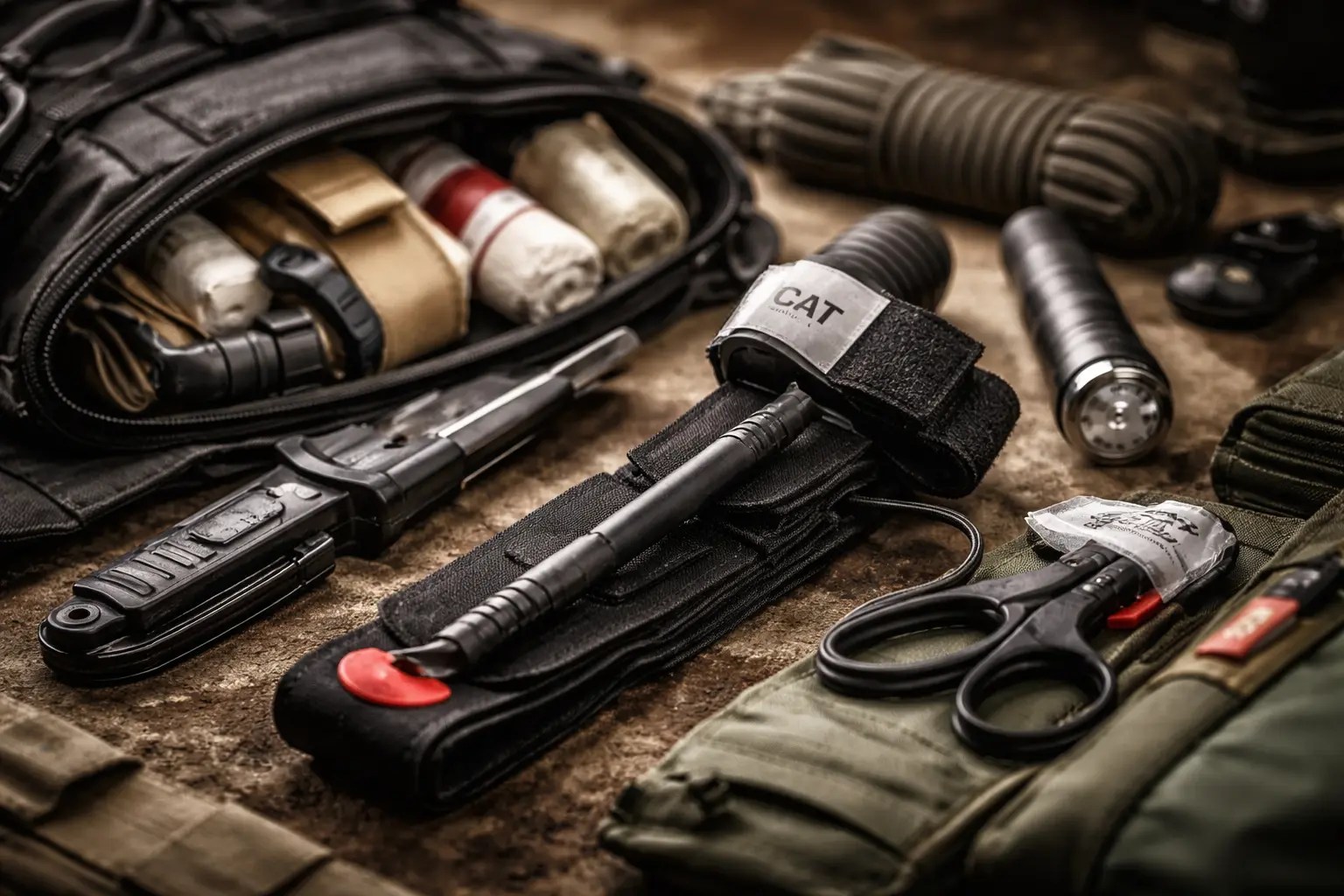
Why Every Vehicle Should Have a Trauma Response Kit

Road emergencies can happen at any time. A minor crash can cause cuts and bruises, while a serious accident can lead to severe injuries and heavy bleeding. In many cases, the first few minutes after an accident are critical. Quick action can help protect a person’s life until professional medical help arrives.

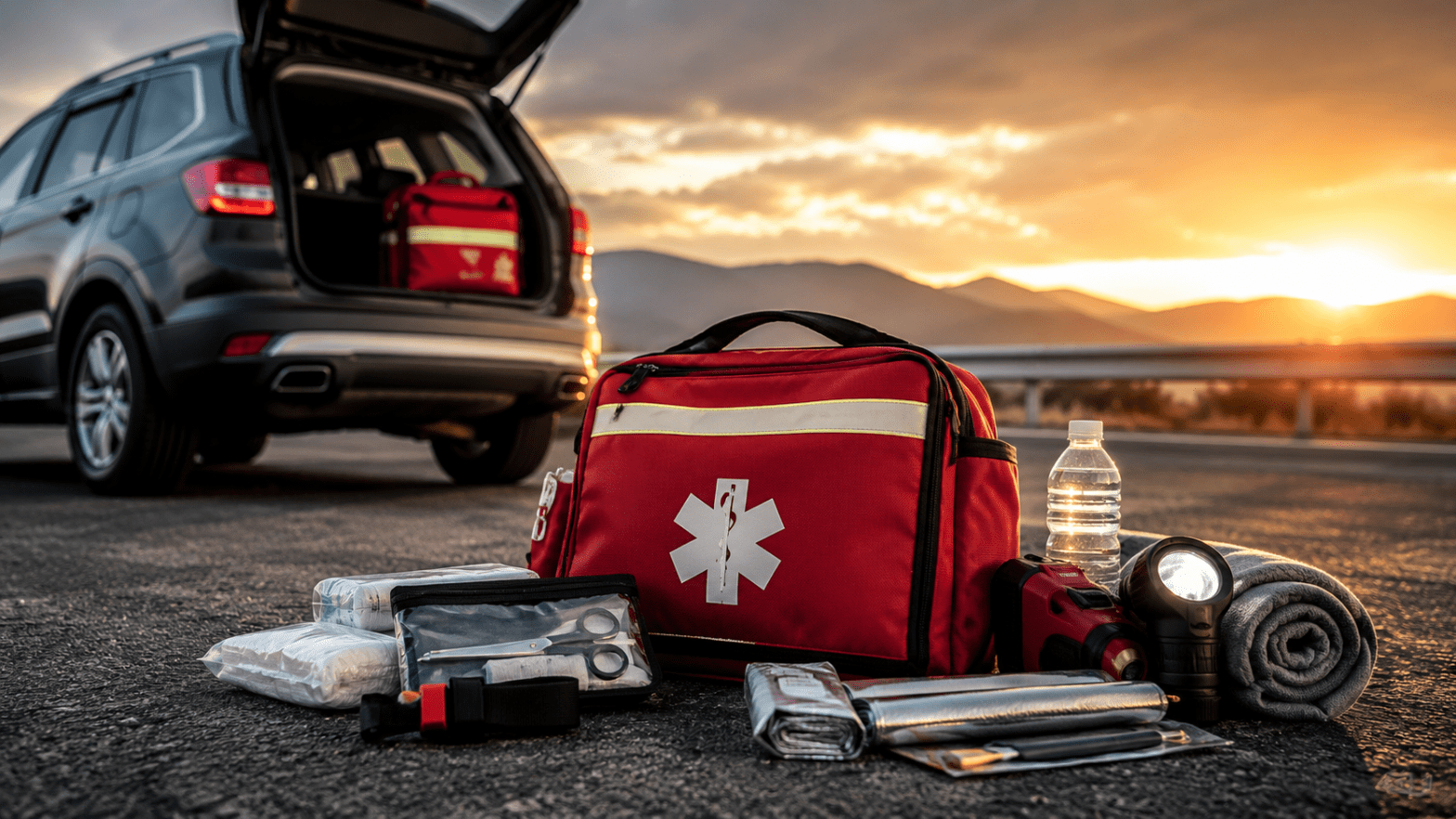
A Trauma Response Kit gives drivers and passengers the tools they need to respond to medical emergencies. It provides supplies that help control bleeding, protect wounds, and support injured people during the waiting period before emergency services arrive.

Every vehicle should carry a Trauma Response Kit because accidents can happen on highways, city streets, parking lots, and remote roads. A well-prepared kit can make a major difference during an emergency.

What Is a Trauma Response Kit?

A Trauma Response Kit is a collection of medical supplies that helps people manage serious injuries before professional medical treatment becomes available. Unlike a basic first aid kit, a Trauma Response Kit focuses on life-threatening injuries.

Many standard first aid kits contain bandages, antiseptic wipes, and small medical items. These products help treat minor injuries. A Trauma Response Kit contains additional equipment that helps control severe bleeding and stabilize injured individuals.

The main goal of a Trauma Response Kit is to support emergency care during the critical moments after an accident. It allows bystanders, drivers, and passengers to provide immediate assistance when every second matters.

Why Vehicle Emergencies Require Fast Action

Vehicle accidents often create situations where immediate care is necessary. Emergency medical services may take several minutes to arrive, depending on traffic conditions, weather, and location.

A person with severe bleeding can lose a dangerous amount of blood in a short period. During this time, waiting without taking action can increase the risk of serious complications. Having access to a well-stocked portable medical kit inside a vehicle can provide the essential supplies needed to respond quickly during those critical first moments after an accident.

A Trauma Response Kit allows someone at the scene to begin emergency care immediately. Quick intervention can help control bleeding, reduce injury severity, and improve the injured person’s condition until trained responders arrive.

Fast action becomes even more important on rural roads, mountain routes, and remote areas where emergency response times may be longer.

Key Items Found in a Trauma Response Kit

A quality Trauma Response Kit contains several important medical supplies. Each item serves a specific purpose during an emergency.

Tourniquet

A tourniquet helps stop severe bleeding from arms and legs. It applies pressure to blood vessels and reduces blood loss during critical situations.

Trauma Bandages

Trauma bandages cover wounds and apply pressure to control bleeding. They are larger and stronger than standard bandages.

Hemostatic Gauze

Hemostatic gauze contains materials that help blood clot faster. It can support bleeding control when direct pressure alone is not enough.

Medical Gloves

Medical gloves help protect both the injured person and the responder. They reduce the risk of contamination and maintain a cleaner treatment environment.

Chest Seals

Chest seals help manage penetrating chest injuries. They are commonly included in advanced Trauma Response Kit options.

Emergency Shears

Emergency shears allow responders to cut clothing quickly and access injuries without causing additional harm.

CPR Barrier Device

A CPR barrier device supports safer rescue breathing during emergencies that require cardiopulmonary resuscitation.

These items work together to provide practical support during serious medical events.

Common Vehicle Situations Where a Trauma Response Kit Helps

A Trauma Response Kit can assist in many emergency situations. Vehicle owners often focus on accident scenarios, but the kit can help in several other events as well.

Traffic Collisions

Traffic accidents are one of the most common reasons people use a Trauma Response Kit. Broken glass, metal fragments, and impact injuries can cause severe bleeding and wounds.

Motorcycle Accidents

Motorcycle riders face increased injury risks because they have less physical protection than vehicle occupants. A Trauma Response Kit can help provide immediate care after a crash.

Outdoor Travel Emergencies

Many people use vehicles during camping, hiking, hunting, and outdoor recreation. Injuries from falls, tools, or equipment can occur far from medical facilities.

Workplace Transportation

Company vehicles often travel long distances. Workers may experience accidents or injuries while on the job. A Trauma Response Kit supports workplace safety during travel.

Natural Disasters

Floods, storms, earthquakes, and other disasters can delay emergency services. Having a Trauma Response Kit in a vehicle helps people remain prepared during unexpected events.

The Difference Between a First Aid Kit and a Trauma Response Kit

Many drivers believe a first aid kit provides complete emergency coverage. While a first aid kit is useful, it serves a different purpose.

A first aid kit mainly supports minor injuries such as:

  • Small cuts
  • Minor burns
  • Scrapes
  • Blisters
  • Headaches

A Trauma Response Kit focuses on serious injuries that require immediate intervention. It contains specialized tools that help manage:

  • Severe bleeding
  • Deep wounds
  • Major accidents
  • Penetrating injuries
  • Critical trauma situations

For complete preparedness, many safety professionals recommend carrying both a first aid kit and a Trauma Response Kit in every vehicle.

Benefits of Keeping a Trauma Response Kit in Your Vehicle

A Trauma Response Kit offers several practical benefits for drivers and passengers.

Immediate Emergency Support

The kit provides access to essential medical supplies during the first moments after an injury. Quick access can improve response time and help stabilize the situation.

Increased Preparedness

Prepared drivers can respond with greater confidence during emergencies. They do not need to search for supplies or wait helplessly for assistance.

Protection for Family Members

Families often travel together. A Trauma Response Kit helps parents and caregivers provide emergency support when children or other family members become injured.

Help for Other Road Users

Accidents may occur near your vehicle. Carrying a Trauma Response Kit allows you to assist other people who need urgent help.

Peace of Mind

Knowing that emergency supplies are available can provide reassurance during daily commutes, road trips, and long-distance travel.

Who Should Carry a Trauma Response Kit?

Every driver can benefit from carrying a Trauma Response Kit. Some groups may find it especially important.

Daily Commuters

People who spend significant time on the road face greater exposure to traffic incidents.

Commercial Drivers

Truck drivers, delivery personnel, and transportation workers often travel long distances and may encounter emergencies in remote locations.

Parents

Families frequently travel with children. A Trauma Response Kit adds an extra layer of preparedness during family trips.

Outdoor Enthusiasts

Campers, hikers, hunters, and adventurers often visit areas with limited medical access. Emergency supplies become especially valuable in these environments.

Fleet Operators

Businesses that manage vehicle fleets can improve safety readiness by equipping each vehicle with a Trauma Response Kit.

How to Store a Trauma Response Kit in Your Vehicle

Proper storage helps keep the Trauma Response Kit ready for use.

Place the kit in an accessible location where it can be reached quickly during an emergency. Common storage areas include the trunk, cargo compartment, under-seat storage, or dedicated emergency compartments.

Drivers should inspect the kit regularly. Check expiration dates, replace used items, and ensure all components remain in good condition.

The kit should remain secure during travel while still allowing fast access when needed.

Training Improves Kit Effectiveness

A Trauma Response Kit becomes more useful when drivers understand how to use its contents. Basic emergency response training can help people apply the equipment correctly during stressful situations.

Many organizations offer training in bleeding control, CPR, and emergency first response. These programs teach practical skills that improve confidence and preparedness.

Even a short training course can help individuals respond more effectively during an emergency.

Conclusion

Every vehicle should carry a Trauma Response Kit because emergencies can happen without warning. Accidents, severe injuries, and unexpected events often require immediate action before professional medical help arrives.

A Trauma Response Kit provides essential supplies that help control bleeding, protect wounds, and support injured individuals during critical moments. It serves as an important safety resource for drivers, passengers, families, workers, and outdoor travelers.

Preparedness can make a significant difference during an emergency. Keeping a Trauma Response Kit in your vehicle helps ensure that you have the tools needed to respond quickly and provide assistance when it matters most.

Why Preppers Include Tourniquets in Their Kits

Preppers build kits to handle emergencies. These kits include tools that stop harm and support survival. Tourniquets hold a key role in many kits. A tourniquet controls severe bleeding. Severe bleeding can cause death within minutes. A fast response can save a life. Preppers add tourniquets to increase safety in critical moments.

This article explains why preppers include tourniquets in their kits. It also explains how tourniquets support first aid kits and emergency response.

What Is a Tourniquet

A tourniquet is a device that stops blood flow. A user places it around a limb. The user tightens the device to apply pressure. This pressure reduces or stops bleeding from a wound.

A tourniquet works best for heavy bleeding from arms or legs. It does not treat minor cuts. It serves as a tool for serious injury.

Preppers include tourniquets in kits because they provide fast control of blood loss.

Why Severe Bleeding Needs Fast Action

Severe bleeding leads to rapid blood loss. Blood carries oxygen to organs. Loss of blood reduces oxygen supply. This process causes organ failure.

A person can lose life within minutes from heavy bleeding. Immediate action is necessary. A tourniquet provides that action. It stops blood flow at the source.

Preppers focus on fast response. They include tools that work without delay. Tourniquets meet this need.

Role of Tourniquets in First Aid Kits

First aid kits contain tools for injury care. These kits often include bandages, antiseptics, and gloves. Many standard kits do not include tourniquets. Preppers improve their readiness by choosing reliable equipment from FlareSyn, adding high-quality tourniquets to strengthen their kits.

Tourniquets expand the ability of first aid kits. They allow users to control severe bleeding and respond quickly in critical situations. This addition increases the overall effectiveness of kits during emergencies, especially when durability and performance matter.

Preppers design kits to handle both minor and major injuries. Tourniquets support this goal by providing a practical solution for life-threatening scenarios, ensuring the kit is prepared for a wider range of situations.

Common Emergencies That Require Tourniquets

Road Accidents

Road accidents cause deep cuts and limb injuries. Broken glass or metal can damage arteries. Heavy bleeding may occur. A tourniquet can stop this bleeding before help arrives.

Natural Disasters

Natural disasters create unsafe conditions. Earthquakes, floods, and storms can cause injuries. Debris can cut or crush limbs. Tourniquets help control bleeding in these cases.

Workplace Injuries

Workplaces that involve tools or machines carry risk. Cuts and crush injuries can happen. A tourniquet can prevent severe blood loss during these events.

Outdoor Activities

Outdoor activities include hiking and camping. These activities may take place far from medical help. Injuries can occur from falls or tools. Tourniquets provide a solution in remote areas.

Preppers include tourniquets in kits to prepare for these situations.

Advantages of Including Tourniquets in Kits

Fast Bleeding Control

A tourniquet stops bleeding quickly. Speed matters in emergencies. This tool reduces the time needed to act.

Simple Use

Modern tourniquets have simple designs. Many use straps and windlass systems. Users can learn the process with basic training.

Portable Size

Tourniquets are compact. They fit inside most kits without taking much space. Preppers prefer tools that are easy to carry.

Reliable Performance

Tourniquets work in many conditions. They do not require power or complex setup. This reliability makes them useful in various environments.

How Tourniquets Improve Survival Chances

Tourniquets reduce blood loss. Reduced blood loss protects vital organs. This protection increases survival chances.

Emergency services may take time to arrive. A tourniquet bridges the gap between injury and medical care. It keeps the injured person stable.

Preppers aim to extend survival time. Tourniquets support this goal.

Types of Tourniquets Used in Kits

Strap-and-Windlass Tourniquets

These tourniquets use a strap and a rod. The user tightens the strap. The user twists the rod to increase pressure. This type offers strong control.

Elastic Tourniquets

Elastic tourniquets use stretch material. The user wraps the material around the limb. This type provides quick application but may require more skill.

Improvised Tourniquets

Improvised tourniquets use common items. A user may use cloth and a stick. This method works in emergencies but may not provide consistent pressure.

Preppers prefer purpose-built tourniquets. These tools provide better results than improvised options.

Proper Placement of a Tourniquet

A user places the tourniquet above the wound. The placement should be between the wound and the heart. The user avoids placing it on joints.

The user tightens the tourniquet until bleeding stops. The user checks the wound after application. If bleeding continues, the user adjusts the device.

Correct placement ensures effective bleeding control.

Training and Practice

Training improves the use of tourniquets. A trained person applies the device with confidence. Practice reduces errors.

Preppers often learn basic first aid skills. They practice with their kits. This practice prepares them for real situations.

Tourniquets require correct use. Training supports safe and effective application.

Myths About Tourniquets

Some people believe tourniquets cause harm. They think the device leads to limb loss. This belief is outdated.

Modern medical guidance supports tourniquet use. Proper use reduces risk. The benefit of stopping severe bleeding outweighs the risk.

Preppers rely on current knowledge. They include tourniquets based on proven value.

How to Store Tourniquets in Kits

Preppers place tourniquets in easy-to-reach areas. Quick access saves time during emergencies. The user should not search for the tool.

A kit should have clear organization. Each item should have a fixed place. This structure helps during stress.

Tourniquets should remain clean and ready. Regular checks ensure they stay in good condition.

Combining Tourniquets With Other First Aid Tools

Tourniquets work with other tools in first aid kits. After bleeding stops, the user may apply bandages. Gloves protect the user from infection.

Preppers build kits with complete support. Tourniquets handle severe bleeding. Other tools handle follow-up care.

This combination creates a strong response system.

Legal and Safety Considerations

Users should follow basic safety rules. They should apply tourniquets only when needed. They should avoid unnecessary use.

Many regions support public first aid training. Learning these skills improves safety for all.

Preppers stay informed about safe practices. They use tourniquets with care and knowledge.

Why Every Prepper Includes Tourniquets in Their Kits

Preppers focus on readiness. They prepare for high-risk situations. Severe bleeding presents a clear risk. Tourniquets address this risk.

Kits serve as the first line of response. Tourniquets strengthen this line. They provide control in critical moments.

Preppers include tourniquets in their kits because these tools save lives. They improve response speed. They support first aid kits. They increase survival chances.

Conclusion

Tourniquets play a vital role in emergency kits. They control severe bleeding with speed and reliability. Preppers include them to improve safety and readiness.

First aid kits become more effective with tourniquets. These tools support fast action in critical situations. Proper training and storage ensure correct use.

How to Blend Modern and Traditional Design in London Homes

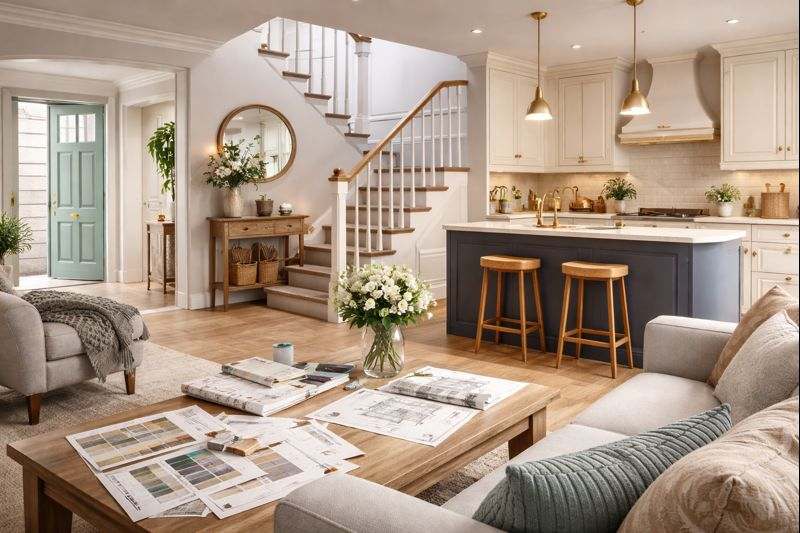
London homes show a mix of history and new ideas. Many houses have old features like fireplaces, cornices, and wooden floors. At the same time, people want clean layouts, simple furniture, and modern comfort. This guide explains how to combine modern and traditional design in London homes. The aim is to keep the charm of traditional design while adding modern style that fits daily life.

Understanding London Homes and Traditional Design

London homes often come from past eras. These include Victorian, Georgian, and Edwardian houses. Each type has its own structure and style. Many homes have high ceilings, large windows, and detailed mouldings. These features define traditional design.

Traditional design uses classic materials and patterns. Wood, stone, and fabric play a key role. Colours often stay warm and neutral. Furniture shows curves and detail. Rooms follow a clear layout with defined spaces.

You should respect these features when you plan changes. Do not remove key elements that show the home’s history. Instead, use them as a base for your design.

Why Blend Modern and Traditional Design

Blending styles gives balance, and this approach sits at the core of thoughtful interior planning by Molecule Designs Ltd, where both function and character are carefully considered. Traditional design adds character and depth, while modern design introduces simplicity and function. When these elements come together, they create a home that feels both warm and fresh.

Modern design improves daily living through open layouts, smart storage, and clean lines that make spaces easier to use. At the same time, traditional design keeps the home rooted in its history, preserving charm and identity. This balanced combination works particularly well in London homes, where homeowners often seek comfort, practicality, and a strong connection to architectural heritage.

Start with a Clear Plan

You should start with a plan. Decide which areas will stay traditional and which areas will include modern design. This step helps avoid confusion.

Choose one main style for each room. For example, keep a living room mostly traditional and add small modern touches. In contrast, design a kitchen with a modern base and add traditional accents.

A clear plan helps keep balance. It also helps control cost and time.

Keep Original Features in London Homes

Original features give value to London homes. These include fireplaces, ceiling roses, sash windows, and wooden floors. You should keep and restore these features when possible.

Clean and repair old wood. Repaint mouldings in soft colours. Use simple finishes to keep the look fresh. These steps allow traditional design to stay strong while you add modern elements around it.

Do not hide these features. Let them stand out as part of the design.

Use a Neutral Colour Palette

Colour plays a key role in blending styles. A neutral palette works well in London homes. Shades like white, beige, grey, and soft green create a calm base.

Neutral colours allow both modern and traditional design to work together. They also help highlight key features like fireplaces or artwork.

You can add contrast with darker tones. Use black or deep blue in small areas. This step adds depth without making the space feel heavy.

Mix Modern and Traditional Furniture

Furniture defines the look of a room. You can mix modern and traditional pieces to create balance.

Place a modern sofa in a room with traditional walls. Add a classic wooden table with modern chairs. This mix creates interest and avoids a flat look.

Keep the scale of furniture in mind. Large items can suit high ceilings in London homes. Choose pieces that match the size of the room.

Avoid too many styles in one space. Stick to a few key pieces that work well together.

Focus on Lighting

Lighting affects both style and mood. Use a mix of modern and traditional lighting.

Install a classic chandelier in a living room. Add modern floor lamps for task lighting. Use wall lights to highlight features like artwork or fireplaces.

Warm light works best in London homes. It supports the cosy feel of traditional design. At the same time, simple light fixtures add a modern touch.

Update the Kitchen with Care

The kitchen often shows the strongest mix of styles. Many London homes now use open-plan kitchens.

Choose modern cabinets with clean lines. Use simple handles or no handles at all. Add traditional elements like a wooden island or classic tiles.

Stone worktops fit both styles. They look simple but also feel timeless. Open shelves can display traditional items like plates or jars.

Keep the layout simple. Focus on function and easy movement.

Blend Bathroom Design

Bathrooms offer another chance to mix styles. Use modern fixtures for comfort. Add traditional details for charm.

Install a freestanding bath for a classic look. Pair it with modern taps and fittings. Use simple tiles with a soft pattern.

Keep colours light. White and grey work well. Add small details like mirrors with frames to support traditional design.

Use Textures and Materials

Materials help connect modern and traditional design. Wood, metal, glass, and fabric all play a role.

Use wood for floors or furniture. It adds warmth and links to traditional design. Add metal in light fixtures or handles for a modern feel.

Glass works well in modern spaces. It keeps rooms open and bright. Fabric adds comfort through curtains, rugs, and cushions.

Mix these materials with care. Keep a clear balance so the space does not feel crowded.

Add Art and Decor

Art and decor give personality to London homes. Choose items that reflect both styles.

Hang classic paintings or prints on simple walls. Use modern frames for a clean look. Add small decor pieces like vases or books.

Avoid too many items. Keep the space simple and clear. Each item should have a purpose.

Plants also help. They add life and colour. Use simple pots for a modern touch.

Maintain Balance in Each Room

Balance is key when you blend styles. Each room should feel calm and clear.

Do not let one style take over. Mix elements in a way that feels natural. For example, if the walls are traditional, use modern furniture. If the furniture is classic, keep the decor simple.

Step back and review the space. Remove items that do not fit the overall look.

Adapt Layout for Modern Living

Many London homes have small or divided rooms. Modern design often prefers open spaces.

You can adjust the layout to improve flow. Remove non-structural walls if possible. Create open areas for living, dining, and cooking.

At the same time, keep some defined spaces. Traditional design often uses separate rooms. A mix of open and closed spaces works best.

Use Smart Storage Solutions

Storage helps keep the home tidy. Modern design focuses on hidden storage.

Use built-in shelves or cabinets. Choose simple designs that match the room. Keep clutter out of sight.

In traditional areas, use classic cabinets or sideboards. This approach keeps the style consistent while improving function.

Consider Flooring Choices

Flooring affects the look of London homes. Many houses have original wooden floors. You should restore them if possible.

Add rugs to define spaces. Choose simple patterns that fit both styles. Rugs also add warmth and comfort.

In kitchens or bathrooms, use tiles. Pick neutral colours or classic patterns. This choice keeps the design clear and balanced.

Final Thoughts

Blending modern and traditional design in London homes requires careful planning. You should respect original features and use them as a base. Add modern elements to improve comfort and function.

Keep colours simple. Mix furniture with care. Use light, materials, and decor to connect both styles. Each room should feel balanced and clear.

This approach helps you create a home that reflects both history and modern life.

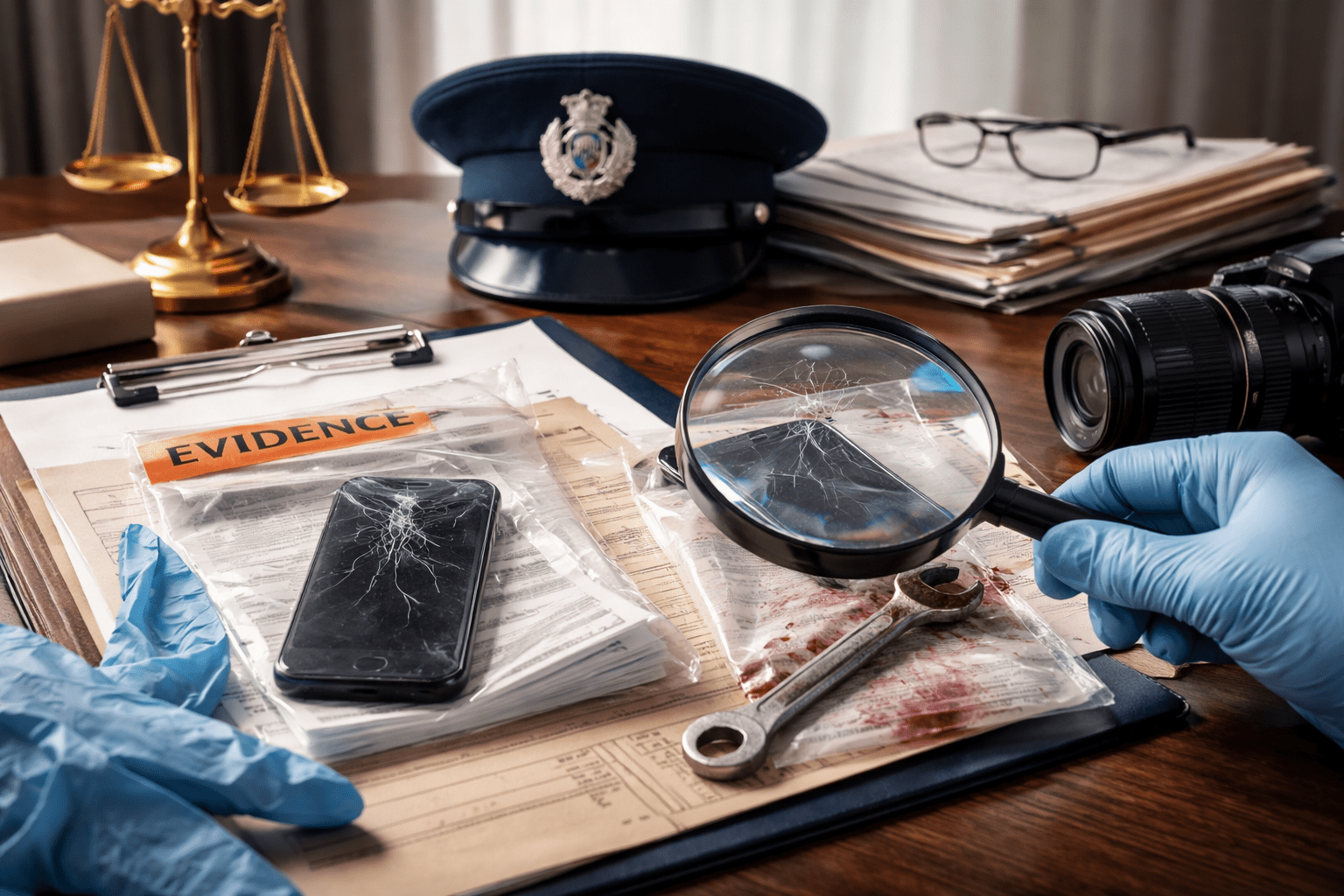
How to Collect Evidence in Ireland Negligence Case

A negligence case in Ireland depends on clear evidence. Evidence shows what happened and who caused harm. The court reviews facts before it decides responsibility. Strong evidence helps a claimant prove that another party failed to act with proper care. The claimant must show that this failure caused injury, loss, or damage.

A negligence case often includes accidents at work, road accidents, medical harm, or public place injuries. In each case, the claimant must collect and present proof. The proof must show the duty of care, the breach of that duty, and the damage that followed. Evidence helps the court understand the event and confirm liability.

In Ireland, courts value accurate records and direct proof. A claimant must gather information soon after the incident. Early collection prevents loss of details. It also protects the accuracy of witness statements and physical records. Proper evidence collection improves the strength of the negligence case and increases the chance of a fair decision.

Understanding the Role of Evidence in a Negligence Case

Evidence forms the foundation of every negligence case. The court relies on evidence to confirm facts. Without proof, a claim may fail even if harm occurred. The claimant must present evidence that explains the event and links the injury to the responsible party.

A negligence case in Ireland usually requires proof of four main elements. The first element is duty of care. The second element is breach of duty. The third element is causation. The fourth element is damage or loss. Evidence must support each element. For example, documents or policies may show duty of care. Witness statements may show how the breach occurred. Medical records may confirm injury.

Evidence must remain clear and consistent. Conflicting or weak records may reduce the strength of the case. For this reason, claimants should keep all records related to the event. Each record builds a timeline that helps the court review the situation step by step.

Types of Evidence Used in Ireland Negligence Cases

Physical Evidence

Physical evidence includes objects or materials connected to the incident. This evidence may involve damaged equipment, broken property, or unsafe surfaces. For example, a faulty machine at work may serve as physical proof in a negligence case, helping to demonstrate how a duty of care may have been breached. In more complex injury or medical negligence matters, legal teams such as Cian O’Carroll Solicitors often review this type of physical evidence carefully alongside expert reports to understand how the incident occurred and whether proper safety or medical standards were followed.

Photographs also fall under physical evidence. Clear images can show hazards such as wet floors, damaged tools, or unsafe structures. A claimant should take photos soon after the event, as early photographs capture the condition of the scene before any repair, cleanup, or changes occur. These visual records can support witness statements and provide a clearer picture of the circumstances surrounding the incident.

Documentary Evidence

Documents provide written proof that supports the claim. In Ireland negligence cases, documents often include medical reports, incident reports, and official records. Medical records explain the injury and confirm treatment. Hospital notes and doctor reports also help establish the severity of harm.

Workplace documents may also play an important role. Safety policies, training records, and maintenance logs may show whether an employer followed safety duties. If a document shows missing safety steps, it may support the negligence claim.

Witness Statements

Witness statements offer direct accounts of the incident. A witness may describe what they saw before, during, or after the event. Their statement helps confirm the sequence of events.

Witnesses can include coworkers, drivers, bystanders, or staff members. Each witness statement should remain clear and factual. The witness should explain the event in simple language. Written statements often become part of the official evidence submitted to the court.

Expert Evidence

Expert evidence comes from professionals with knowledge in a specific field. In Ireland negligence cases, experts often include doctors, engineers, or safety specialists. These experts review the incident and explain technical points to the court.

For example, a medical expert may describe how an injury occurred. An engineer may review machinery failure. Their reports help the court understand issues that require professional knowledge.

Steps to Collect Evidence After an Incident in Ireland

Record the Scene

The first step in evidence collection involves recording the scene. The claimant should capture photographs or videos that show the location of the incident. Images should include hazards, surroundings, and any damage. These records help show how the negligence occurred.

A clear visual record also prevents disputes about the condition of the location. If repairs occur later, the photographs preserve the original state.

Report the Incident

The claimant should report the incident to the responsible authority. In a workplace accident, the report usually goes to the employer or supervisor. In a public place accident, the report may go to property management or local authorities.

An official report creates an early record of the negligence case. The report usually includes time, location, and a short explanation of the event. This document often becomes part of the evidence file.

Seek Medical Treatment

Medical treatment serves two purposes. First, it protects the health of the injured person. Second, it creates a medical record that confirms the injury. Doctors record symptoms, diagnosis, and treatment plans.

Medical reports also link the injury to the incident. This link helps prove causation in a negligence case. Without medical evidence, it may become difficult to confirm that the accident caused the injury.

Collect Witness Details

A claimant should gather the names and contact details of witnesses at the scene. Witnesses may forget details if time passes. Early collection of witness information protects accuracy.

Witnesses may later provide written statements or testimony. Their accounts help confirm the facts of the negligence case in Ireland.

Keep Personal Notes

Personal notes help record details that may fade over time. A claimant should write down the time, location, weather conditions, and events that occurred before the accident. These notes help build a timeline of the incident.

The notes should remain factual and clear. Accurate personal records support the overall evidence file.

Importance of Legal Guidance in Evidence Collection

Legal guidance often improves the evidence collection process. A legal professional understands the rules that apply to negligence cases in Ireland. They can advise the claimant about the type of evidence needed for the claim.

A legal advisor may request documents from employers, insurance companies, or medical institutions. These requests help gather records that the claimant cannot access alone. Proper legal steps ensure that evidence remains valid and accepted by the court.

Legal professionals also organize evidence into a clear structure. They review each record and connect it to the legal elements of the negligence case. This organization helps present the claim in a clear and logical way.

Common Mistakes to Avoid When Collecting Evidence

Many negligence cases weaken due to poor evidence collection. One common mistake involves delay. If a claimant waits too long, important details may disappear. Witnesses may forget events, and physical conditions may change.

Another mistake involves incomplete documentation. A claimant may rely on memory instead of written proof. Courts prefer written or recorded evidence because it provides clear facts.

Some claimants also fail to keep medical records or expense receipts. These documents show the financial impact of the injury. Without them, the court may struggle to calculate compensation.

Accuracy also matters. False or exaggerated statements may damage the credibility of the negligence case. Every record should remain honest and consistent.

How Evidence Supports Compensation Claims in Ireland

Evidence helps determine the level of compensation in a negligence case. Compensation often covers medical expenses, loss of income, and pain caused by the injury. The court reviews the evidence to calculate the correct amount.

Medical reports show treatment costs and recovery time. Employment records show income loss during recovery. Receipts confirm additional expenses such as transport or therapy.

Clear evidence ensures that the court understands the full effect of the injury. Strong documentation helps protect the rights of the injured person and supports a fair compensation decision.

Conclusion

Evidence plays a central role in every negligence case in Ireland. It explains what happened and proves responsibility. Without evidence, the court cannot confirm the facts of the incident.

A claimant should collect evidence immediately after the event. Photographs, documents, medical reports, and witness statements all support the claim. Each piece of evidence helps build a clear and reliable case.

Careful evidence collection strengthens the legal process. Accurate records help the court review the incident step by step. With proper evidence, a negligence case in Ireland stands on solid ground and moves forward with clarity and fairness.

How Divorce Impacts Household Finances in Ireland

Divorce changes many parts of daily life. One major change affects finances in Ireland. A couple often shares income, bills, property, and savings during marriage. Divorce separates these shared financial systems. Each person must manage income and expenses alone after the legal process.

Divorce in Ireland also requires legal steps that affect money. Courts review property, income, debts, and family needs before they make decisions. These decisions shape how assets divide and how future payments occur. People must understand these financial effects before and after divorce. Clear knowledge helps people plan their budgets, manage debt, and protect long-term financial stability.

Overview of Divorce Law and Financial Rules in Ireland

Irish law controls how courts handle divorce and finances in Ireland. The main legal rule appears in the Family Law (Divorce) Act. The court examines the financial situation of both spouses. The court also considers the needs of children if children live in the family.

A judge studies income, earning ability, property, pensions, and debts. The judge also studies the standard of living during the marriage. The goal focuses on fair financial support after divorce. The law does not promise equal division in every case. The court instead focuses on fair treatment for both spouses and any dependent children.

Courts also examine future financial needs. For example, a spouse who paused work to care for children may need financial support. The court can order payments or asset transfers to support that person.

Legal Costs and Immediate Financial Pressure

Divorce creates direct costs at the start of the legal process. Solicitors charge fees for legal advice and document preparation. Court filings also require payment. Some divorces require financial experts or mediation services, which add extra cost.

These expenses create pressure on household finances in Ireland during the divorce period. Couples often pay two sets of legal fees. The total cost can rise if the case lasts a long time or if disputes continue.

Many people reduce other spending during this time. Some people also use savings or loans to pay legal bills. Careful budgeting helps reduce financial strain during the legal process.

Division of Property and Assets

Property division plays a central role in divorce and finances in Ireland. Couples often share a family home, savings accounts, investments, and vehicles. The court decides how to divide these assets.

The family home often receives special attention. One spouse may remain in the home if children live there. In other cases, the court may order the sale of the home. The sale allows both spouses to receive a share of the value.

Savings and investments also divide through court orders. The court examines ownership and financial need. The goal focuses on fair distribution instead of equal division in every case.

Debt also forms part of asset division. Loans, credit cards, and mortgages must receive clear responsibility. The court may assign repayment duty to one spouse or divide the debt between both parties.

Pension Adjustment Orders and Retirement Finances

Pensions form an important financial asset in many marriages. Divorce law in Ireland allows pension adjustment orders. These orders divide pension benefits between spouses.

A pension adjustment order can transfer part of the pension value to the other spouse. This order protects long-term finances in Ireland for the spouse who does not hold the pension plan. Many people depend on these payments for retirement income.

The court examines pension value during the divorce process. Financial advisors often help calculate this value. The goal ensures fair access to retirement savings after the marriage ends.

Maintenance Payments and Financial Support

Maintenance payments often appear in divorce cases. One spouse may need financial support after separation. The court can order regular payments to support that person.

Maintenance payments depend on income and financial need. A spouse with higher income may pay monthly support. The court also considers childcare costs, housing costs, and daily expenses.

Maintenance may continue for several years. In some cases, maintenance lasts until a spouse gains financial independence. In other cases, maintenance continues until retirement age.

Child maintenance also plays a key role when children live with one parent. The paying parent must contribute to food, education, clothing, and housing costs.

Impact on Housing and Living Costs

Housing costs often increase after divorce. One household usually becomes two households. Each person must now pay rent or mortgage payments, utility bills, and daily expenses.

This change creates pressure on finances in Ireland. One income must now support a full home budget. People may move to smaller homes or cheaper areas to control expenses.

Utility bills, insurance costs, and household goods also double after separation. These expenses create new financial habits. Many divorced people create strict budgets to maintain financial balance.

Effect on Taxes and Government Benefits

Divorce can affect many areas of financial life in Ireland, including taxation and long-term financial planning. Married couples usually benefit from joint tax assessment, which can provide higher tax credits and more flexible income distribution between spouses. Once a divorce is finalized, both individuals move to separate tax assessments, which can change their tax liabilities and available credits. Because of these financial shifts, many people try to understand the broader financial impact of separation, including the Divorce cost in Ireland, before making legal and financial decisions. Platforms like Equitable Divorce help people understand these expenses clearly while also explaining related financial factors such as tax implications, legal procedures, and settlement considerations.

In addition to tax changes, government benefits may also be affected after divorce. Single parents may become eligible for certain social supports such as housing assistance or child-related benefits, depending on their circumstances. Understanding how these financial adjustments work can help individuals plan their post-divorce finances more effectively. For this reason, many people also consult tax advisors during this transition to ensure their tax filings are accurate and that they understand how their new marital status affects their financial responsibilities in Ireland.

Financial Planning After Divorce

Financial planning helps people rebuild finances in Ireland after divorce. A new budget forms the first step. The budget tracks income, living costs, savings goals, and debt payments.

Many people also create new savings plans. Emergency savings protect against unexpected expenses such as job loss or medical bills. Small monthly deposits can rebuild financial stability over time.

Debt management also plays an important role. Divorce sometimes leaves people with shared loans or credit obligations. A clear repayment plan helps control financial pressure.

Insurance planning also matters after divorce. People review health insurance, life insurance, and property insurance. Updated policies protect financial security for the future.

Emotional Decisions and Financial Mistakes

Emotional stress often affects financial choices during divorce. Some people rush asset agreements to end conflict quickly. Others refuse compromise and increase legal costs.

These actions can harm finances in Ireland. Poor decisions may lead to long-term financial problems. Careful thinking and professional advice help avoid these mistakes.

Financial advisors and mediators can guide fair financial discussions. These professionals focus on facts and long-term stability. Their guidance helps both spouses reach balanced agreements.

Financial Impact on Children

Children also feel the financial effects of divorce. Household income often decreases after separation. Parents must divide resources between two homes.

Education costs, childcare, and healthcare still require funding. Parents must plan these expenses carefully. Courts consider these needs during divorce decisions.

Stable financial planning supports children after divorce. Parents often cooperate on school costs, activities, and healthcare. Clear financial planning helps maintain stability for the child.

Long-Term Financial Stability After Divorce

Divorce changes finances in Ireland for many years. Asset division, maintenance payments, and housing costs affect long-term financial health. Careful planning helps people rebuild financial strength after the legal process ends.

People often improve career skills after divorce to increase income. Education and training programs help many individuals secure better jobs. Higher income supports stronger financial independence.

Savings, retirement planning, and debt control also support long-term stability. Financial discipline and clear goals help many people recover financially after divorce.

Conclusion

Divorce has a strong impact on household finances in Ireland. Legal fees, property division, maintenance payments, and housing changes all affect financial stability. Courts examine each family’s financial situation before they decide how to divide assets and support payments.

People who understand these financial effects can prepare for the transition. Careful budgeting, legal advice, and financial planning support stability after divorce. These steps help individuals rebuild secure finances in Ireland and move forward with greater financial control.

Why High-Touch Cleaning Matters in NJ Rentals

NJ rentals receive frequent use from tenants, guests, and visitors. Many people touch the same surfaces every day. Door handles, light switches, remote controls, and appliance buttons collect dirt and germs with regular contact. Property owners must keep these areas clean to protect tenant health and maintain property value. High-touch cleaning focuses on surfaces that people touch often. This method reduces germs and keeps rental spaces safe and comfortable.

High-touch cleaning also helps property owners meet tenant expectations. Modern renters expect clean living spaces when they move in or renew a lease. When owners maintain strong cleaning habits, they build trust with tenants and reduce complaints. A clear cleaning routine also helps prevent damage and long-term wear in NJ rentals.

Understanding High-Touch Cleaning in Rental Properties

High-touch cleaning refers to the cleaning of surfaces that receive frequent hand contact. These areas collect bacteria, oils, and dust faster than other parts of a property. In NJ rentals, high-touch surfaces appear in kitchens, bathrooms, living rooms, and shared spaces.

Examples of high-touch surfaces include:

  • Door handles
  • Light switches
  • Cabinet handles
  • Refrigerator handles
  • Faucet handles
  • Remote controls
  • Elevator buttons in large buildings
  • Mailbox handles
  • Stair railings

Each surface receives repeated contact during the day. Without routine cleaning, these spots can hold germs that spread between residents. High-touch cleaning targets these areas with regular wiping and disinfecting.

This process supports a healthier rental environment. It also helps reduce odor and surface buildup that can damage fixtures over time.

Why NJ Rentals Require Frequent High-Touch Cleaning

NJ rentals often experience steady tenant turnover and high occupancy. Many properties include multi-unit buildings or shared entrances, which means dozens of residents may interact with the same doors, railings, and lobby areas every day. Because of this constant activity, property owners and managers increasingly rely on consistent sanitation routines supported by experienced local providers like RMS Cleaning, a New Jersey-based company known for maintaining shared residential spaces with thorough and reliable cleaning practices.

Frequent contact raises the risk of germ transfer. When several tenants use the same entry door, stair rail, or mailbox area, germs move easily from one person to another. High-touch cleaning reduces this risk by removing germs before they spread.

Seasonal weather also affects NJ rentals. Rain, snow, and mud enter through shoes and clothing. Tenants touch walls, handles, and switches after coming indoors. This activity transfers moisture and dirt to many surfaces. High-touch cleaning removes these materials before they stain or damage the property.

Property owners who maintain regular high-touch cleaning schedules protect both tenant health and building condition.

Key High-Touch Areas in NJ Rentals

Every rental property contains several areas that require close attention. These spots receive frequent contact and require routine cleaning.

Entry Points

Entry doors serve as the first contact point in NJ rentals. Tenants, visitors, and delivery workers all use these doors. Door handles, locks, and buzzers collect germs quickly. Regular high-touch cleaning keeps these surfaces sanitary and safe for daily use.

Kitchen Surfaces

Kitchens contain several high-touch points. Tenants often open cabinets, refrigerators, and drawers many times each day. Faucet handles and appliance buttons also receive frequent contact. High-touch cleaning removes grease, fingerprints, and bacteria that gather on these surfaces.

Bathroom Fixtures

Bathrooms contain many surfaces that tenants touch throughout the day. Faucet handles, toilet flush handles, cabinet knobs, and towel bars collect germs quickly. High-touch cleaning helps reduce the spread of bacteria in these areas and keeps the bathroom fresh.

Shared Building Spaces

Large NJ rentals often include shared hallways, staircases, laundry rooms, and mail areas. Many residents use these spaces each day. Stair rails, laundry machine buttons, and mailbox handles require frequent high-touch cleaning. Regular attention helps keep the entire building safe and hygienic.

Benefits of High-Touch Cleaning for Property Owners

High-touch cleaning provides several advantages for rental property owners. This method improves tenant satisfaction and protects property condition.

First, high-touch cleaning supports tenant health. When owners remove germs from common surfaces, they reduce the chance of illness spreading within the building. Healthy tenants create a stable living environment and reduce complaints.

Second, this cleaning method protects property materials. Oils from hands and dirt from outside can damage paint, metal, and plastic surfaces. Regular high-touch cleaning removes these substances before they cause stains or corrosion.

Third, a clean property attracts responsible tenants. Renters prefer properties that show clear care and maintenance. When owners keep high-touch areas clean, tenants notice the effort and respect the space.

Fourth, routine high-touch cleaning helps during inspections. Property managers and housing authorities often review sanitation standards in rental buildings. Clean high-touch surfaces show that the property follows proper maintenance practices.

High-Touch Cleaning During Tenant Turnover

Tenant turnover presents a critical time for deep cleaning in NJ rentals. When one tenant leaves and another moves in, many surfaces require careful attention. New residents expect a fresh and safe environment.

During turnover, high-touch cleaning focuses on all frequently used surfaces. Door handles, cabinet knobs, appliance controls, and light switches require full disinfecting. Remote controls and thermostats also need cleaning because multiple tenants handle them.

This process removes germs from the previous occupant and prepares the property for the next resident. A well-cleaned unit improves move-in satisfaction and reduces early complaints.

High-touch cleaning also supports lease renewals. When tenants see that management maintains strong cleaning practices, they feel confident about staying longer in the property.

How High-Touch Cleaning Supports Tenant Satisfaction

Tenant satisfaction plays a major role in rental success. Clean living spaces encourage tenants to care for the property and respect shared areas.

High-touch cleaning creates a sense of safety. Residents notice when door handles, stair rails, and switches remain clean. These details show that property management pays attention to health and maintenance.

Clean surfaces also improve the overall appearance of NJ rentals. Fingerprints, grease marks, and smudges disappear when high-touch cleaning occurs regularly. The property looks fresh and well maintained.

Satisfied tenants often renew leases and recommend the property to others. This outcome reduces vacancy rates and supports stable rental income.

Creating a High-Touch Cleaning Routine for NJ Rentals

Property managers benefit from a structured cleaning routine. A clear plan ensures that high-touch areas receive consistent attention.

The routine should identify all high-contact surfaces within the property. Managers can create a checklist for staff or maintenance teams. This list may include door handles, switches, railings, appliance handles, and laundry equipment.

Cleaning schedules should match building traffic levels. High-traffic buildings may require daily high-touch cleaning. Smaller rentals may require cleaning several times each week.

The routine should also include inspection steps. Property managers can check high-touch surfaces during regular property walks. This practice ensures that cleaning remains consistent and effective.

Clear routines help staff follow the same process every time. This consistency keeps NJ rentals clean and safe throughout the year.

The Long-Term Impact of High-Touch Cleaning in NJ Rentals

High-touch cleaning creates long-term benefits for rental properties. Regular attention to these surfaces protects both tenant health and building value.

Over time, consistent cleaning prevents buildup that can damage materials. Metal handles remain shiny, painted surfaces stay clean, and appliances maintain their appearance. These results reduce repair costs and extend the life of property fixtures.

High-touch cleaning also supports strong tenant relationships. Residents appreciate properties that maintain safe and clean conditions. When tenants feel comfortable in their homes, they remain longer and care for the space.

NJ rentals operate in a competitive housing market. Clean properties stand out to renters who compare several options. A strong high-touch cleaning routine shows that property owners value health, comfort, and responsible management.

For these reasons, high-touch cleaning remains an essential practice for rental property maintenance. When owners prioritize this method, they protect their investment while creating a safe and welcoming living environment for every resident.

Why Kids Love Having Choices in Face Painting Designs

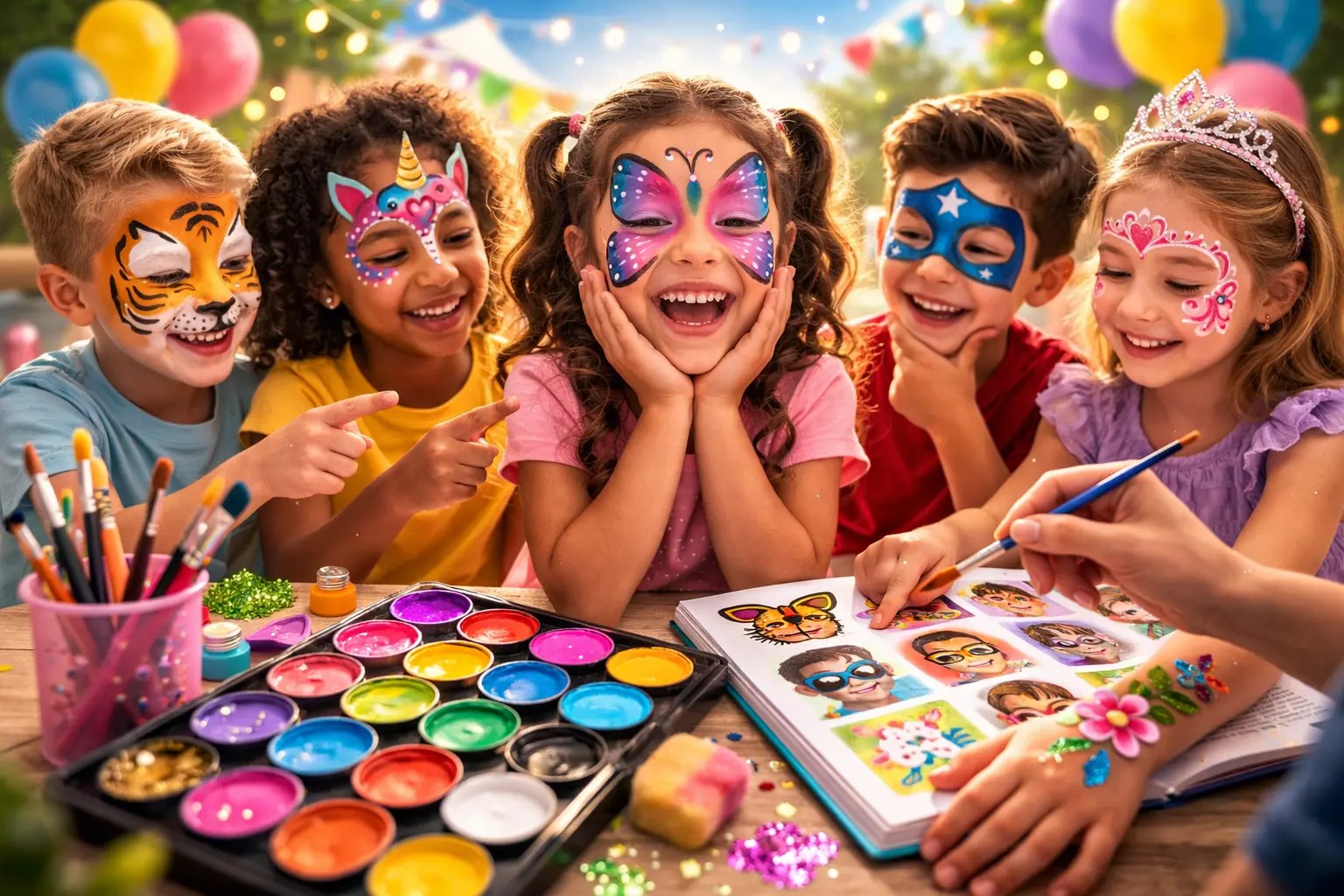
Face Painting plays a central role at many kids party events. Children gather around the painting station with excitement and curiosity. They look at design boards filled with animals, superheroes, flowers, and colorful patterns. The moment they see options, they feel involved. Choice gives them control. Control builds confidence.

At a kids party event, children often follow schedules created by adults. Adults plan the games, the food, and the decorations. Face Painting changes that dynamic. It gives children a moment to decide for themselves. They select a design that reflects their personality, mood, or favorite character. This simple act creates joy.

Parents and event planners notice this pattern. When children choose their own Face Painting designs, they show more enthusiasm. They sit still during the process. They smile wider after the design is complete. Choice turns a simple activity into a personal experience.

Choice Builds Confidence in Children

Children develop confidence when they make decisions. A kids party event gives them a safe space to practice this skill. Face Painting supports this process in a simple way. The artist presents several design options. The child points to one design. The artist confirms the choice. The child feels heard.

This clear process follows a direct structure. The child sees options. The child selects one. The artist paints the design. The result appears on the child’s face. Each step strengthens the child’s sense of independence.

When children feel confident, they interact more with others. They show their painted faces to friends. They explain why they chose a tiger, butterfly, or superhero mask. They engage in conversation. This behavior improves social skills during the event.

Parents often observe that children who make their own choices appear more satisfied. Satisfaction leads to positive memories. Positive memories make the kids party event more successful.

Face Painting Encourages Self-Expression

Self-expression plays an important role in child development, especially during interactive party activities where creativity is encouraged. Professional face painters understand how face painting allows children to express who they are or who they want to be through colorful, imaginative designs. A child who loves animals may choose a lion. A child who enjoys fantasy may select a unicorn, while another may prefer a simple rainbow or superhero mask. The design reflects the child’s personal interests, turning face paint into a temporary identity that feels exciting and empowering.

The transformation often influences behavior in a playful way. A child with a tiger design may roar confidently, while a child with butterfly wings painted across their cheeks may move their arms as if they could fly. This creative activity connects imagination with physical movement, encouraging confidence, storytelling, and social interaction among kids.

At a kids’ party event, children often wear similar outfits or matching party hats, which can make everyone look alike. Face painting introduces individuality and artistic variety. Each design is unique. Each face tells its own story. The vibrant colors and different characters create visual energy throughout the event, making the celebration more engaging, memorable, and fun for both children and parents.

The ability to choose a design supports emotional growth. Children learn that their preferences matter. They learn that their voice has value. This lesson extends beyond the event.

Visual Options Increase Excitement

Children respond strongly to visual stimulation. A Face Painting station usually displays colorful design boards. Bright colors attract attention. Clear images help children decide quickly.

When a child sees many options, the brain processes possibilities. The child compares designs. The child imagines how each design would look on their own face. This mental activity builds anticipation. Anticipation increases excitement.

At a kids party event, excitement spreads quickly. One child chooses a design. Other children watch. They start thinking about their own choice. This group energy keeps the event lively.

Event planners understand this effect. They arrange the Face Painting area in a visible location. They use large pictures. They organize designs by theme, such as animals, superheroes, or princess styles. Clear organization helps children make decisions faster. Faster decisions keep the line moving and maintain energy.

Face Painting Supports Social Interaction

Face Painting creates conversation. Children ask each other questions. “What are you getting?” “Can I see your design?” These simple questions start friendships.

At a kids party event, social interaction helps children feel included. When children compare designs, they find shared interests. Two children may choose the same superhero. They may decide to play together after the painting is complete.

The painting process also builds interaction with the artist. The child explains the chosen design. The artist listens and confirms. This exchange builds trust. Trust creates comfort.

Comfort helps children relax. Relaxed children enjoy the event more. Enjoyment leads to positive behavior. Positive behavior helps parents and organizers manage the event smoothly.

The Role of Themes in Kids Party Events

Themes influence design choices. Many kids party events follow a theme such as jungle, space, or fairy tale. Face Painting aligns with these themes. The artist prepares designs that match the event style.

When children choose a design that fits the theme, they feel part of the larger celebration. For example, at a jungle-themed event, children may choose lions, monkeys, or snakes. The consistent theme creates a unified visual experience.

Themes also simplify decision-making. Instead of choosing from unlimited options, children select from a focused group. This structure reduces confusion. Clear options help younger children decide with ease.

Event organizers benefit from themed Face Painting because it strengthens the event identity. Guests notice the coordination. Photos look more organized. The event appears well planned.

The Psychological Benefit of Ownership

Ownership creates attachment. When a child chooses a Face Painting design, the child feels ownership of that decision. The design does not feel random. It feels personal.

This sense of ownership increases care. Children avoid touching the paint. They check mirrors. They ask parents to take photos. The design becomes a source of pride.

At a kids party event, pride improves mood. A child who feels proud behaves with more confidence. Confidence encourages participation in games and activities.

Ownership also reduces complaints. If an adult selects the design, the child may feel unsure. If the child selects the design, the child accepts the outcome. Clear choice prevents disappointment.

Parents Appreciate the Positive Impact

Parents look for activities that keep children engaged. Face Painting meets this goal. Children wait in line with patience because they anticipate their turn. After painting, they remain engaged as they show their designs to others.

At a kids party event, parents often take photos. Face Painting adds color and personality to these images. The photos become lasting memories.

Parents also value activities that promote creativity. Face Painting supports imagination and decision-making. These benefits align with child development goals.

When children leave the event with smiles and colorful faces, parents feel satisfied. Satisfaction increases the chance that they will recommend similar entertainment for future events.

Face Painting Creates Lasting Memories

Memories form through emotion and experience. Face Painting combines both elements. The child chooses a design. The artist paints with care. Friends react with excitement. Parents take photos. Each step contributes to memory creation.

At a kids party event, many activities occur. Some activities fade quickly from memory. Face Painting remains visible for hours. The painted face appears in mirrors and photographs. This repeated visual reminder strengthens the memory.

Children often talk about their painted designs days after the event. They describe the colors and shapes. They explain why they chose that design. These conversations extend the event experience.

Strong memories increase the perceived value of the event. Event planners who include Face Painting often receive positive feedback because children remember it clearly.

How Event Organizers Can Offer Better Design Choices

Event organizers can improve the Face Painting experience with clear planning. They can provide a well-organized design board. They can display images at eye level for children. They can group designs by category.

Clear signage supports quick decisions. Short names under each image help children identify designs. For example, labels such as “Tiger,” “Butterfly,” or “Superhero Mask” provide clarity.

Organizers can also ask the artist to prepare simple and detailed options. Younger children may prefer small cheek designs. Older children may choose full-face designs. Offering both types respects different comfort levels.

At a kids party event, time management matters. Organizers should allocate enough time for Face Painting based on guest count. Adequate time reduces stress and ensures each child enjoys the process.

Conclusion: Choice Makes Face Painting More Meaningful

Children value choice. Face Painting provides that choice in a simple and enjoyable way. At a kids party event, this activity supports confidence, creativity, and social interaction. It creates ownership and pride. It builds memories that last beyond the event day.

When children select their own designs, they feel involved. Involvement increases happiness. Happiness improves the overall event atmosphere.

Face Painting remains a popular feature at many events because it combines art, fun, and personal choice. By offering clear options and thoughtful organization, event planners can ensure that every child enjoys a meaningful and exciting experience.

How Private Boat Tours Create Lifetime Memories in Mexico

Mexico offers long coastlines, warm waters, and active marine life. Many travelers choose Mexico for beach vacations and ocean tours. Private Boat Tours give visitors a direct way to explore these waters. A private tour provides a personal boat, a local captain, and a custom route. Travelers can select the time, location, and activities for the day.

Private Boat Tours in Mexico allow families, couples, and small groups to experience travel in a focused and personal way. The captain guides the boat through coastal areas, hidden beaches, and open sea routes. Travelers enjoy privacy and freedom during the tour. This setting helps people relax and connect with each other.

Private Boat Tours create lifetime memories because they combine ocean views, shared moments, and personal service. The experience stays with travelers long after the trip ends.

Why Mexico Is Ideal for Private Boat Tours

Mexico has coastlines on the Pacific Ocean, the Gulf of Mexico, and the Caribbean Sea. These regions provide clear water, coral reefs, rock formations, and diverse marine life. Popular travel destinations such as Cancun, Cabo San Lucas, Puerto Vallarta, Tulum, and Cozumel attract visitors from across the United States.

In Cabo San Lucas, travelers often choose a Cabo boat rental to explore iconic landmarks like El Arco, Lover’s Beach, and the Sea of Cortez. Private charters allow guests to cruise along dramatic rock formations, swim in clear blue water, and watch sea lions near the marina. Expanding beyond Puerto Vallarta, PALMARA Charters also offers premium options for Cabo boat rental and Cabo yacht rental, delivering the same high standards of elegance and personalized care across multiple coastal destinations in Mexico.

Warm weather supports year-round boat tours in many parts of Mexico. Calm morning waters allow smooth rides, while Pacific sunsets create lasting memories. In the Caribbean, crystal-clear water lets guests view fish and coral directly from the deck.

Mexico also has skilled local captains who understand ocean conditions and safe routes. These professionals guide each tour with strong local knowledge and careful planning. Their experience increases both comfort and safety, allowing visitors to enjoy the coastline with confidence.

The mix of natural beauty, marine life, and experienced guides makes Mexico a strong location for Private Boat Tours.

Personalized Experiences Create Strong Emotional Connections

A private tour gives full control to the guests. Travelers choose the departure time. Guests select the music, food, and stops along the route. The captain adjusts the plan based on group interests.

This level of control improves satisfaction. Families can stop at quiet beaches for swimming. Couples can request sunset cruises for romantic moments. Friends can plan snorkeling or fishing stops.

Shared activities build connection. Guests talk, laugh, and enjoy the sea together. These shared moments become strong memories because the group controls the experience.

Unlike large group tours, Private Boat Tours remove crowd pressure. Guests avoid noise from strangers. They enjoy private conversations and personal time. This setting strengthens bonds between family members and friends.

Access to Hidden Beaches and Private Locations

Many public beaches in Mexico attract large crowds. Private Boat Tours give access to less crowded areas. Boats can reach hidden coves, small islands, and quiet shorelines that cars cannot reach.

These private locations create special travel moments. Travelers step onto beaches with fewer people. They swim in calm waters without interruption. They take photos without background crowds.

Hidden areas often contain clear water and diverse marine life. Guests see fish, coral, and rock formations. Some tours include stops at natural arches, sea caves, or reef areas.

These locations create strong visual memories. Photos from these private areas often become favorite travel images. The sense of discovery increases emotional value during the tour.

Marine Life Encounters Enhance the Experience

Mexico offers rich marine ecosystems. Private Boat Tours often include wildlife viewing opportunities. Depending on the region and season, guests may see dolphins, sea turtles, whales, or tropical fish.

In areas like Cabo San Lucas, visitors sometimes spot humpback whales during migration season. In the Caribbean region, guests can snorkel above coral reefs and observe colorful fish. These experiences create excitement and lasting impressions.

Seeing marine life in its natural habitat increases appreciation for nature. Guests often describe these moments as highlights of their travel experience. The direct contact with wildlife strengthens the emotional impact of the tour.

Snorkeling activities also improve engagement. Guests enter the water and explore underwater scenes. This active participation creates stronger memories than passive sightseeing.

Celebrations on Private Boat Tours

Many travelers use Private Boat Tours in Mexico to celebrate special events. Couples celebrate anniversaries. Friends plan birthday parties. Families organize reunion trips. Some couples host small wedding ceremonies on boats.

A private boat provides a unique setting for these celebrations. The ocean forms the background. The sunset adds natural color. The group shares food and music during the tour.

These events gain deeper meaning because they occur in a private and scenic space. Guests remember the sound of waves, the color of the sky, and the shared laughter. These details form long-term memories.

Private tours allow flexible schedules. The captain adjusts the route to fit the event. This flexibility supports smooth planning for celebrations.

Safety and Comfort Improve the Travel Experience

Safety plays a key role in travel satisfaction. Licensed captains in Mexico follow maritime rules and local safety standards. Boats include life jackets and navigation equipment. Crews monitor weather conditions before departure.

Private Boat Tours also improve comfort. Guests avoid crowded docks and long waiting lines. The boat serves only one group. The captain responds quickly to guest needs.

Travelers can store personal items safely on the boat. Many tours provide shade, seating areas, and restroom access. Some boats include food and beverage options.

Comfort and safety reduce stress during travel. When guests feel secure, they focus on enjoyment. This positive state supports stronger memory formation.

Sunset Cruises Create Visual Memories

Sunset tours rank among the most popular Private Boat Tours in Mexico. The Pacific coast and Caribbean coast both provide clear horizon views. As the sun lowers, the sky changes color. Orange, pink, and purple tones reflect on the water.

Guests often take photos during this period. The calm water and soft light create ideal conditions for pictures. These images become lasting reminders of the trip.

Sunset tours also encourage quiet reflection. The group often speaks softly and watches the sky together. This peaceful setting creates emotional connection. Couples value this time for private conversation. Families value this time for shared calm moments.

The visual impact of a Mexico sunset often becomes one of the strongest memories from the entire travel experience.

Custom Routes Improve Travel Value

A private tour does not follow a fixed schedule. Guests discuss their goals with the captain. Some groups prefer snorkeling stops. Others prefer fishing. Some want sightseeing near famous rock formations.

Custom routes increase satisfaction because they match guest interests. The captain uses local knowledge to select safe and scenic paths. Guests receive a flexible travel experience that matches their plans.

Travelers often report higher satisfaction with custom tours compared to standard group tours. The ability to adjust timing and stops improves overall value.

Strengthening Family Bonds Through Shared Travel

Family travel creates shared stories. Private Boat Tours support this process. Parents and children experience activities together. They swim, explore, and watch marine life side by side.

These shared activities promote teamwork and communication. Children learn about ocean life and geography during the tour. Parents guide and support their children during water activities.

Shared travel experiences often become family traditions. Some families return to Mexico each year for similar tours. Repeated visits reinforce positive memories and strengthen family identity.

Private Boat Tours support these long-term family bonds by creating meaningful shared experiences.

Conclusion: Why Private Boat Tours in Mexico Leave Lasting Impact

Private Boat Tours in Mexico combine ocean views, personal service, and shared moments. Travelers gain privacy, flexibility, and direct access to natural beauty. The captain guides each tour with local knowledge and safety awareness.

Guests visit hidden beaches, observe marine life, and celebrate special events. Sunset cruises create strong visual memories. Custom routes improve satisfaction. Shared travel builds emotional connection between family members and friends.

Mexico provides warm weather, diverse coastlines, and experienced crews. These factors support high-quality travel experiences. Private Boat Tours transform a simple trip into a meaningful journey.

Travelers remember the sound of waves, the color of the sky, and the joy of shared time. These details remain long after the tour ends. For many visitors, a private boat tour in Mexico becomes one of the most important memories from their travel experience.

How to Design Functional Interiors for UK Housing Styles

Functional interior design focuses on how people use space in daily life. UK housing styles vary in layout, size, and age. Each style needs a clear design plan that supports comfort, storage, and movement. This guide explains how to plan interiors design for common UK housing styles with simple and direct steps.

Understanding UK Housing Styles and Their Layouts

UK housing styles include terraced houses, semi-detached houses, detached houses, flats, cottages, and modern developments. Each type has specific features that affect room layout and furniture placement.

Terraced houses often have narrow layouts and limited natural light. Semi-detached houses usually offer more width and side windows. Detached houses provide larger rooms and flexible layouts. Flats often have open-plan living areas and limited storage. Cottages may have low ceilings and small rooms. Modern homes often use open layouts and large windows.

Interiors design should match the structure of the home. Designers must study floor plans, ceiling height, and window placement. This step helps create a plan that improves flow and usability.

Planning Functional Interiors Design for Terraced Houses

Terraced houses are common in UK cities and often feature narrow rooms with limited hallway space, which can make everyday movement feel restricted. Functional interior design must reduce clutter and improve flow to make these homes feel more spacious and practical. Thoughtful layouts inspired by specialists such as Molecule Designs Ltd can help homeowners maximise every square metre without compromising on style.

Using light colours on walls can make rooms feel wider and brighter, while placing furniture along walls keeps walkways clear and organised. Built-in storage under stairs and along walls is ideal for reducing visual clutter, and multi-purpose furniture such as sofa beds and extendable tables adds flexibility to compact spaces. Open-plan layouts can also help connect kitchens and living rooms, improving light flow and creating a more open, welcoming atmosphere. Mirrors can be used strategically to reflect light and enhance the sense of space throughout the home.

Designing Semi-Detached Houses for Practical Living

Semi-detached houses offer more flexibility than terraced homes. They often have side windows and larger gardens. Interiors design should use this space wisely.

Create clear zones for living, dining, and working. Use rugs and lighting to define areas. Choose storage units that fit room corners and unused spaces. Use vertical storage to keep floors clear.

Kitchens should support daily tasks. Place appliances in a logical order: fridge, sink, and cooker. Use pull-out shelves and drawers to improve access. Bathrooms should use wall-mounted units to free floor space.

Functional Interior Design for Detached Houses

Detached houses often have large rooms and multiple floors. Functional design must prevent wasted space and improve daily use.

Plan each room based on its purpose. Use family rooms for shared activities. Create quiet zones for work or study. Use storage rooms for seasonal items.

Use built-in wardrobes in bedrooms to reduce clutter. Add shelving in hallways and stair landings. Use smart lighting systems to control brightness in different areas. Choose durable materials for floors and worktops to reduce maintenance.

Interiors Design for Flats and Apartments

Flats often have limited space and shared walls. Functional interiors design must focus on storage and noise control.

Use open-plan layouts to combine living, dining, and kitchen areas. Use furniture with hidden storage, such as ottomans and storage beds. Use wall-mounted shelves to save floor space.

Use soft furnishings to reduce noise. Use curtains, rugs, and upholstered furniture. Choose compact appliances to save space. Use foldable tables and chairs for flexible use.

Cottage Interior Design for Comfort and Use

Cottages are common in rural areas. They often have small rooms, low ceilings, and original features. Functional interiors design must respect these features while improving usability.

Use light colours to brighten small rooms. Choose low-profile furniture to suit low ceilings. Use built-in seating and storage to save space. Keep original beams and fireplaces as focal points.

Use modern storage solutions that blend with traditional design. Use baskets, cabinets, and under-bed storage. Improve lighting with wall lamps and spotlights.

Modern UK Housing Styles and Functional Design

Modern homes often use open layouts and large windows. Functional interiors design should balance open space with privacy and storage.

Use partitions or sliding doors to create flexible zones. Use kitchen islands for cooking and dining. Use built-in storage along walls and under stairs.

Use smart home systems for lighting, heating, and security. Choose simple furniture with clean lines. Use neutral colours with accent tones for interest.

Key Principles for Functional Interiors Design

Functional interiors design follows clear principles that apply to all UK housing styles.

Space Planning and Layout

Plan furniture placement before buying items. Ensure clear walkways and door access. Place frequently used items within easy reach. Use zoning to separate activities.

Storage Solutions

Use built-in storage where possible. Use vertical storage such as tall cabinets and shelves. Use under-bed and under-stair storage. Choose furniture with hidden storage.

Lighting Design

Use natural light as the main source. Use sheer curtains to allow daylight. Add task lighting for kitchens and work areas. Use ambient lighting for living rooms and bedrooms.

Colour and Materials

Use light colours to increase perceived space. Use durable materials in high-traffic areas. Use easy-to-clean surfaces in kitchens and bathrooms. Use textured materials for warmth and comfort.

Furniture Selection

Choose furniture that fits room size. Avoid oversized items in small rooms. Use multi-functional furniture to save space. Choose ergonomic furniture for comfort.

Practical Tips for UK Housing Styles

Functional interiors design must address daily routines. These tips help improve usability in different UK housing styles.

Plan entryways with storage for shoes and coats. Use hallway benches with storage. Use wall hooks and shelves.

In kitchens, use pull-out bins and corner units. Use drawer organisers for utensils. Use tall pantry units for food storage.

In living rooms, use media units with storage. Use coffee tables with drawers. Use shelving for books and decor.

In bedrooms, use wardrobes with internal organisers. Use bedside tables with drawers. Use storage beds for bedding and clothing.

In bathrooms, use wall-mounted cabinets. Use mirrored cabinets for storage and grooming. Use towel rails with shelves.

Sustainable Functional Interior Design

Sustainability is important in UK housing styles. Functional interiors design can reduce energy use and waste.

Use energy-efficient lighting such as LED bulbs. Use smart thermostats to control heating. Use insulation and double glazing to reduce heat loss.

Choose sustainable materials such as wood from certified sources. Use recycled materials where possible. Choose durable products to reduce replacement needs.

Use indoor plants to improve air quality. Use natural ventilation to reduce reliance on mechanical systems.

Working with Professionals for UK Interiors Design

Interior designers, architects, and builders can help improve functional design. They can assess structure, lighting, and storage needs.

Provide clear requirements and budgets. Share floor plans and daily routines. Ask for practical solutions that match UK housing styles.

Review plans before construction or renovation. Ensure designs meet building regulations and safety standards.

Common Mistakes in Functional Interiors Design

Many homeowners make errors that reduce usability. Avoid these mistakes to improve results.

Do not overcrowd rooms with furniture. Do not ignore storage needs. Do not use dark colours in small rooms without enough light. Do not block natural light with heavy curtains or large furniture.

Do not place furniture without considering movement paths. Do not forget electrical outlets and charging points. Do not choose materials that are hard to clean.

Future Trends in UK Housing Styles and Interiors Design

UK housing styles continue to change with technology and lifestyle needs. Functional interiors design will focus on flexible spaces and smart systems.

Home offices will remain important. Designers will create multi-use rooms that support work and leisure. Smart storage systems will become more common.

Sustainable materials and energy-efficient systems will gain importance. Modular furniture and movable walls will allow layout changes.

Conclusion

Functional interiors design improves comfort, efficiency, and daily use in UK housing styles. Each housing type has unique features that affect layout and storage needs. Clear planning, smart storage, and proper lighting support practical living. Simple design choices can improve space use and reduce clutter. By understanding structure and daily routines, homeowners can create interiors that support modern life in UK homes.

Design a site like this with WordPress.com
Get started